(Click the images for full-size versions!)
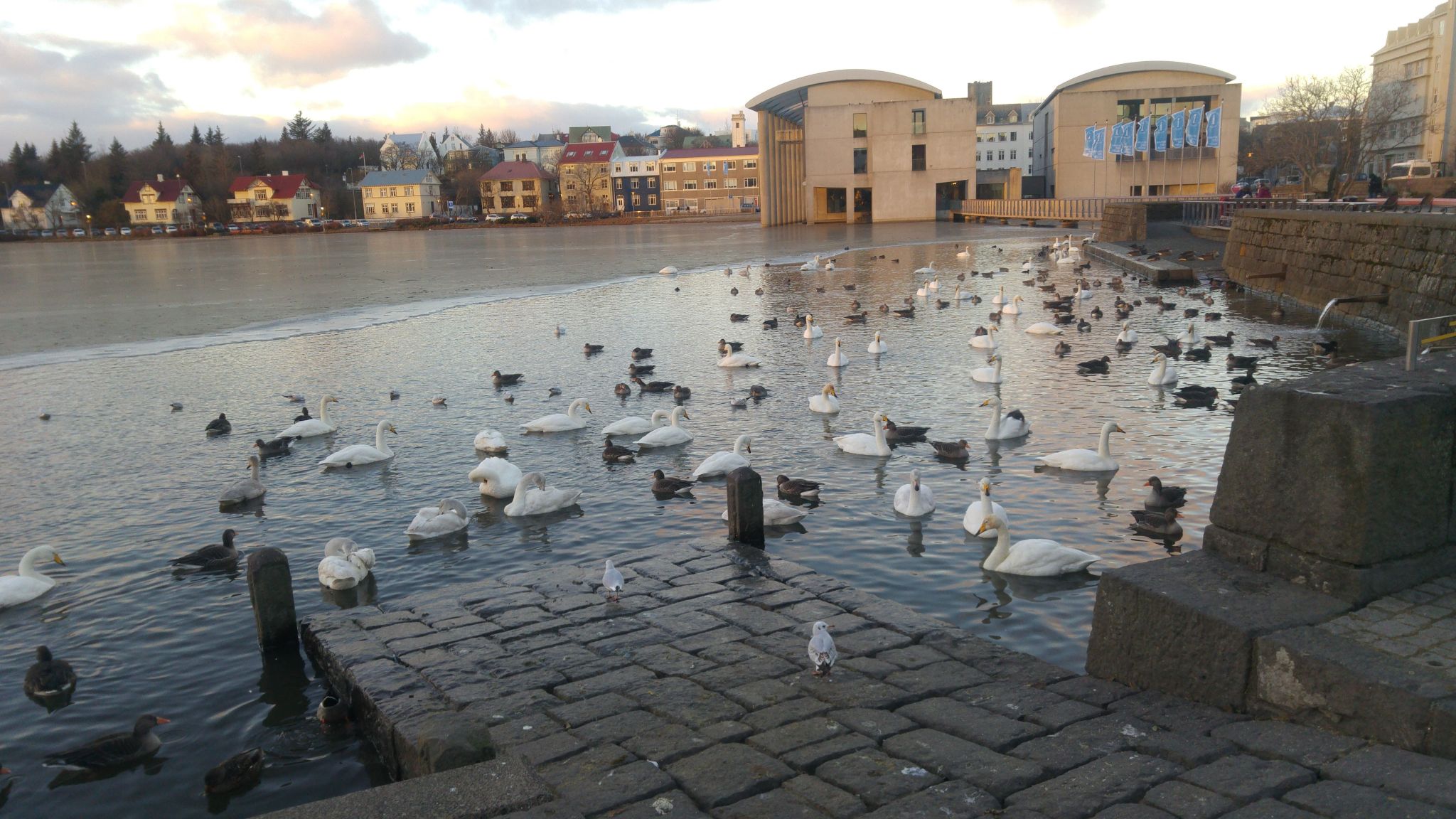
Downtown Reykjavik was cold but alive: a high street of hideously expensive hipster boutiques and tourist tat floggers, almost all in that earnest modern “artisan” style. Iceland is a curious (but uplifting!) example of how a country can have reasonable prosperity and opportunity for all without… actually producing anything. I mean, they have basically limitless free lava energy, but also they’re in the Arctic Circle and need it. But a side effect of this is that their currency is hilariously overvalued (and this from an Englishman). The first thing I saw in the window of an average-looking restaurant was bread, for £13; mains started at about £50.
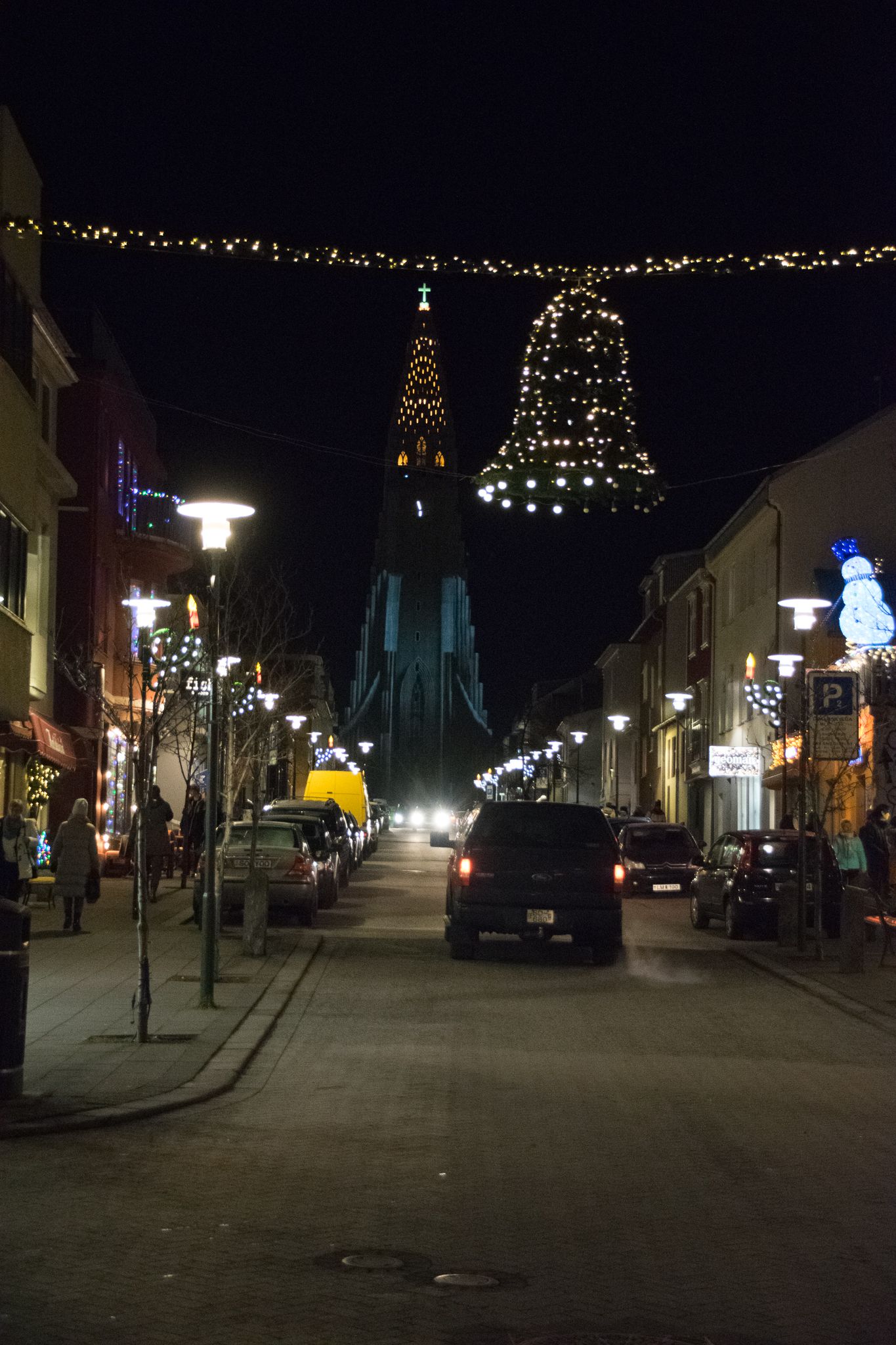
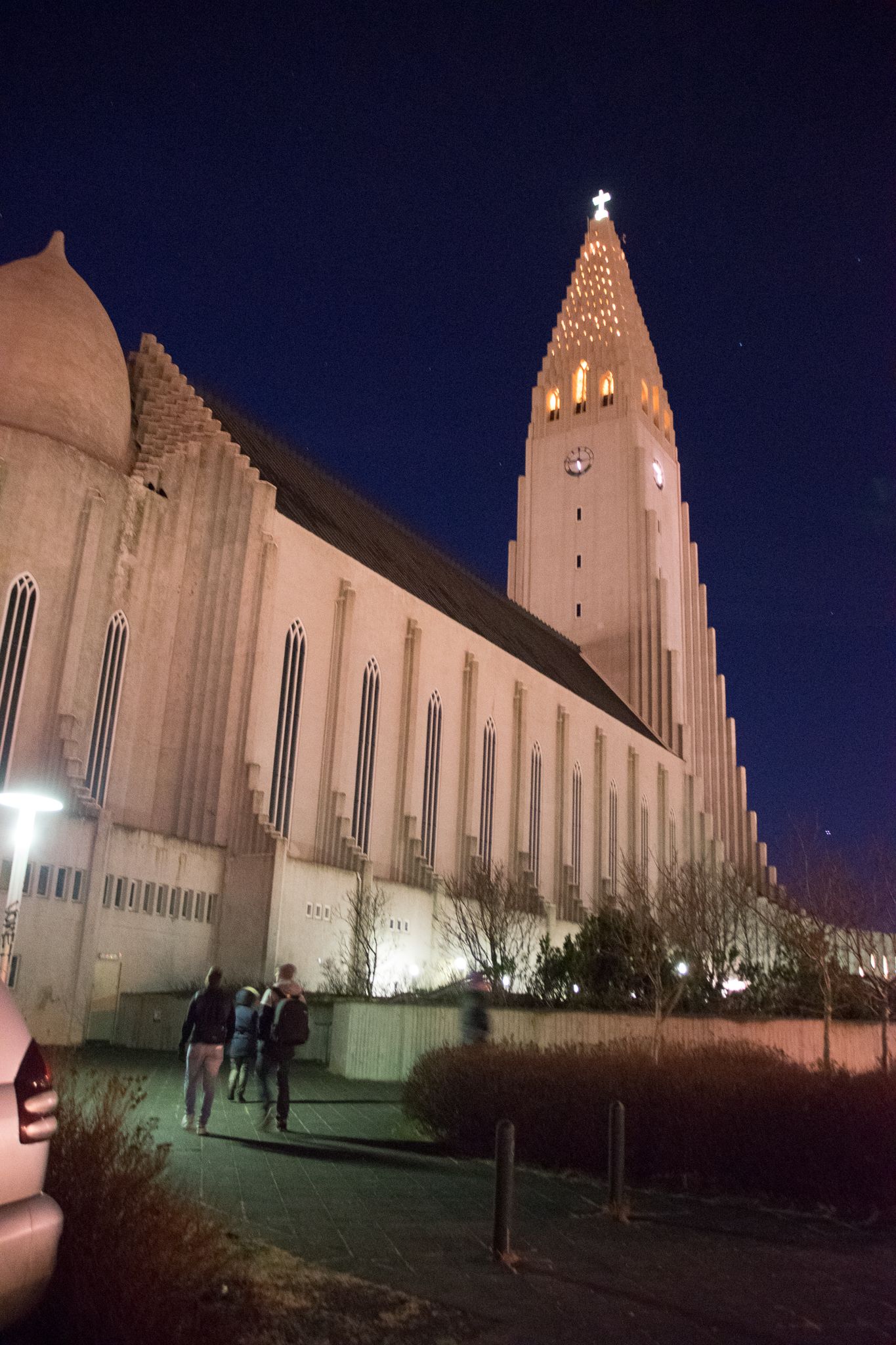
We parked at Hallgrímskirkja, Reykjavik’s chief church, whose perforated spire looks somewhat like a decorated Christmas tree from a distance. The cathedral is a handsome, interesting piece of postwar architecture, with a bell-shaped dome at the southeast end of the nave, and buttresses that look like Giant’s Causeway basalt columns propping up its sides and sweeping down from the spire to give it a very distinctive silhouette. Amnesty International had some stalls in the courtyard and were projecting the names of donators onto the front of the church – it reminded me of nothing more than a video game livestream. THANKS FOR YOUR SUPPORT!
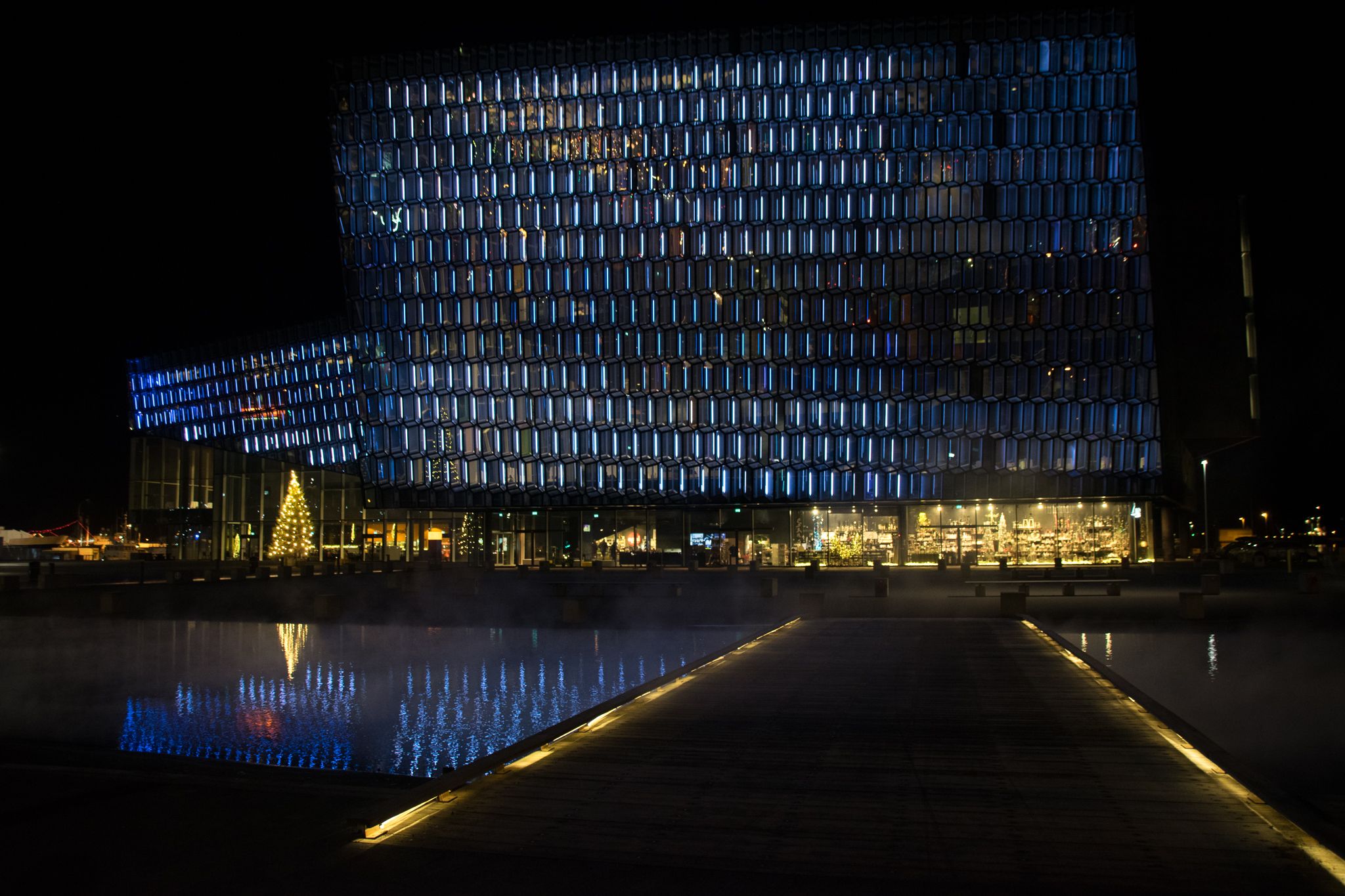
The most distinctive thing about Reykjavik is that there’s nothing really distinctive there. There are basically no old buildings, no trademark style or trademark substance. They’ve managed to keep the chains off their high streets (mostly; there was a Subway, charging £9 for subs) but the less obvious components of globalisation are still everywhere. There’s almost nothing uniquely Icelandic about the rest – corrugated buildings, an ugly set of “Yule Lads”, stuffed puffins for a hundred thousand ISK. Take away the weird letters and the lakes you can walk on, and it could honestly be Islington.


The National Museum is a pleasant place (though on the outside, an unfortunate combination of decently inspired Art Deco form, and vile grey pebbledash) and holds an extremely attractively put together collection. There are convincing reasons why, for most of its thousand-year habitation, Iceland hasn’t had much in the way of wars or architecture; life was so impossibly hard that simply living took up most people’s time and productive capacity. The museum’s collections are mainly wood carvings: communion dials, Christs and kings with long, mournful faces. Churches were built and maintained by farmers and chieftains, rather than an independent priesthood; a doughy-faced bishop and his three wives took up the frame of the only old painting. There were fish hooks ranging from “small” to “gigantic”, scrimshawed horns, a chalice made of a polished coconut shell which must have been impossbly exotic little brooches of bronze and gold. On one wall was what the museum half-proudly claims is the only weapon ever invented by Icelanders: a hook for cutting British trawl lines, like a many-armed nautical box-cutter.
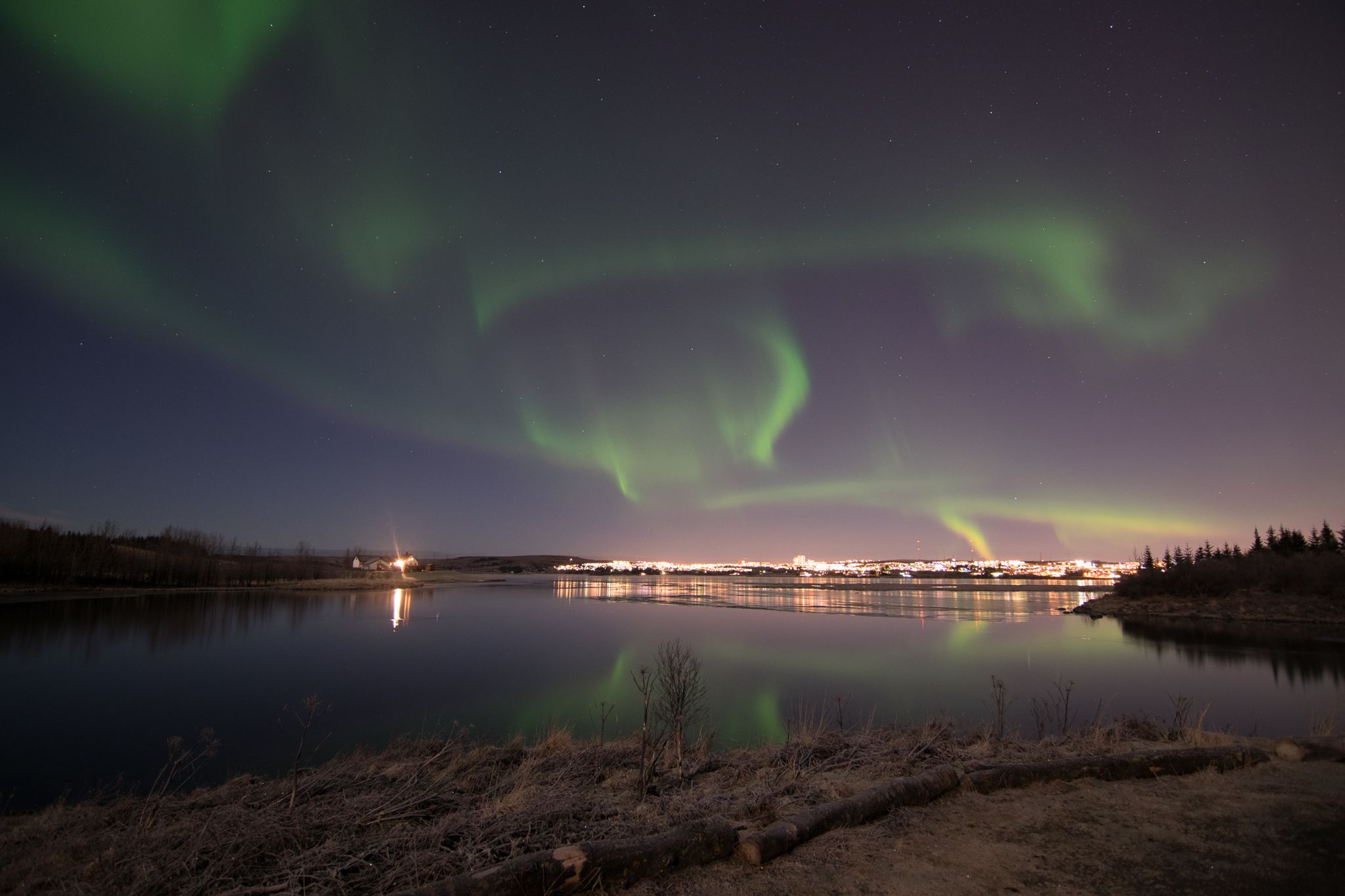
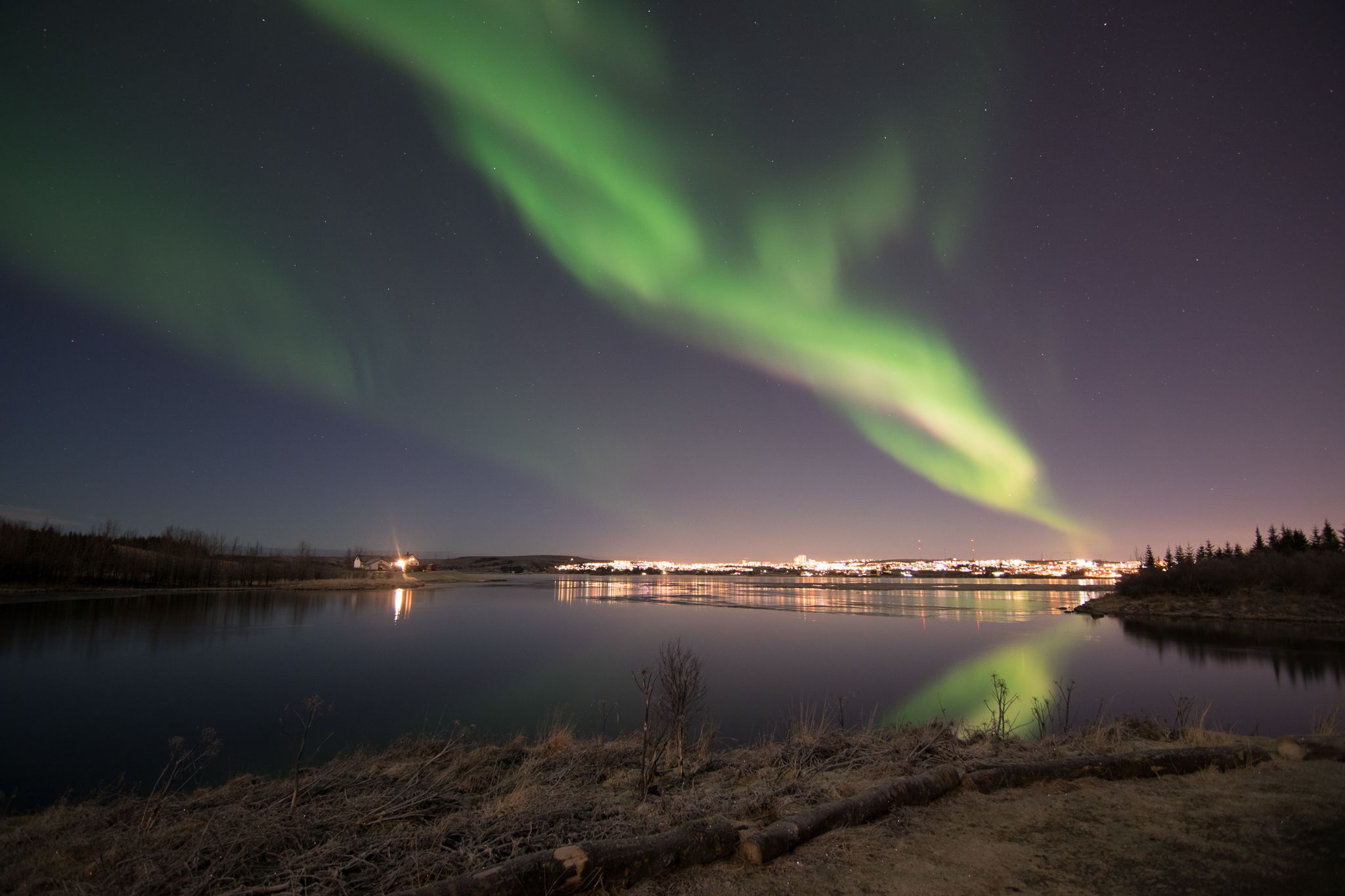
We drove a little way past Thing to the edge of a semi-frozen lake, in hopes of the aurora. We were not disappointed. Long camera exposures showed it as the familiar bright luminous green, but to the naked eye it’s a little less impressive – gobs of washed-out grey-green ectoplasm, more like clouds behaving in weird ways than the emerald nebula it’s generally portrayed as. There’s a hint of green, but also a general vague chromatic uncertainty to it, like a half-seen waterfall haze. It moves in the most startling ways – whole sections suddenly drizzle into sight, like dust trickling through a projection; a great wheel of particularly bright light whirled and swirled around in an entirely random way; at one point a whole long section appeared and half-disappeared, like a curtain drifting in and out of reality. Less beautiful and less defined than the photos make it seem, but entirely unique and absolutely unsettling.
Iceland 2017
Waterfalls, glaciers & black beaches – Thingvellir, Geysir, Gullfoss – Grindavik, Keflavik, Blue Lagoon – Reykjavik, aurora borealis
 underneath the open sky