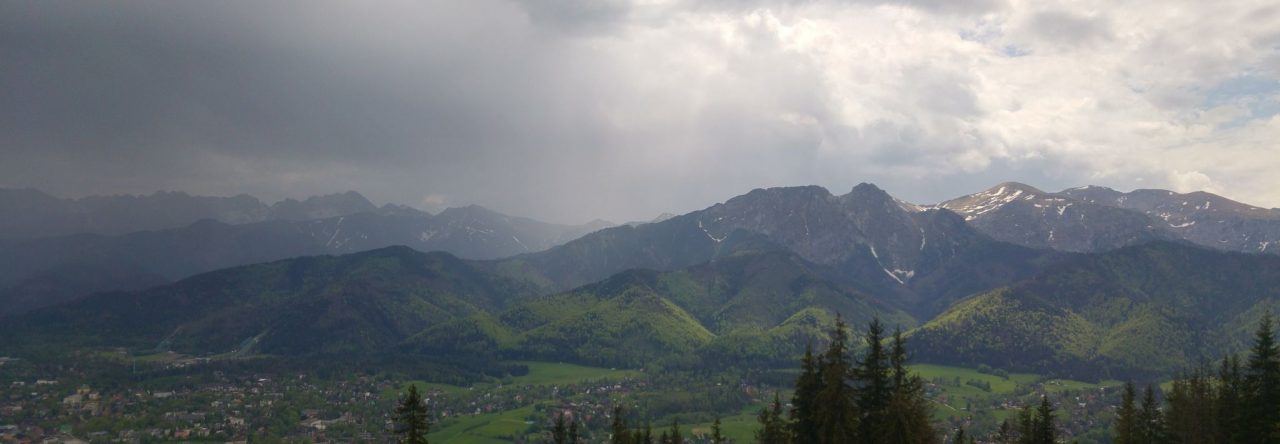
In seeking dinner we had found, to our surprise, that hidden behind all the wood Zakopane boasts a fully equipped high street with chain stores that wouldn’t be out of place literally anywhere else in Europe. The mixed grill for dinner, however, was very much local: a mutton sausage, a white sausage quite like Bavarian ones, roasted black pudding, and gammon (although Misha’s steak was terrible). I have overeaten terribly this holiday, and am not sorry. Our lodgings were a set of little wooden rooms run by a lady with dyed carrot-coloured hair, who found talking to Olga and Misha easier than Rog and I. “She thinks she can speak Russian” was all they would say. Waking up, we could clearly see a snow-riven knuckle of the Tatra mountains looming high above.
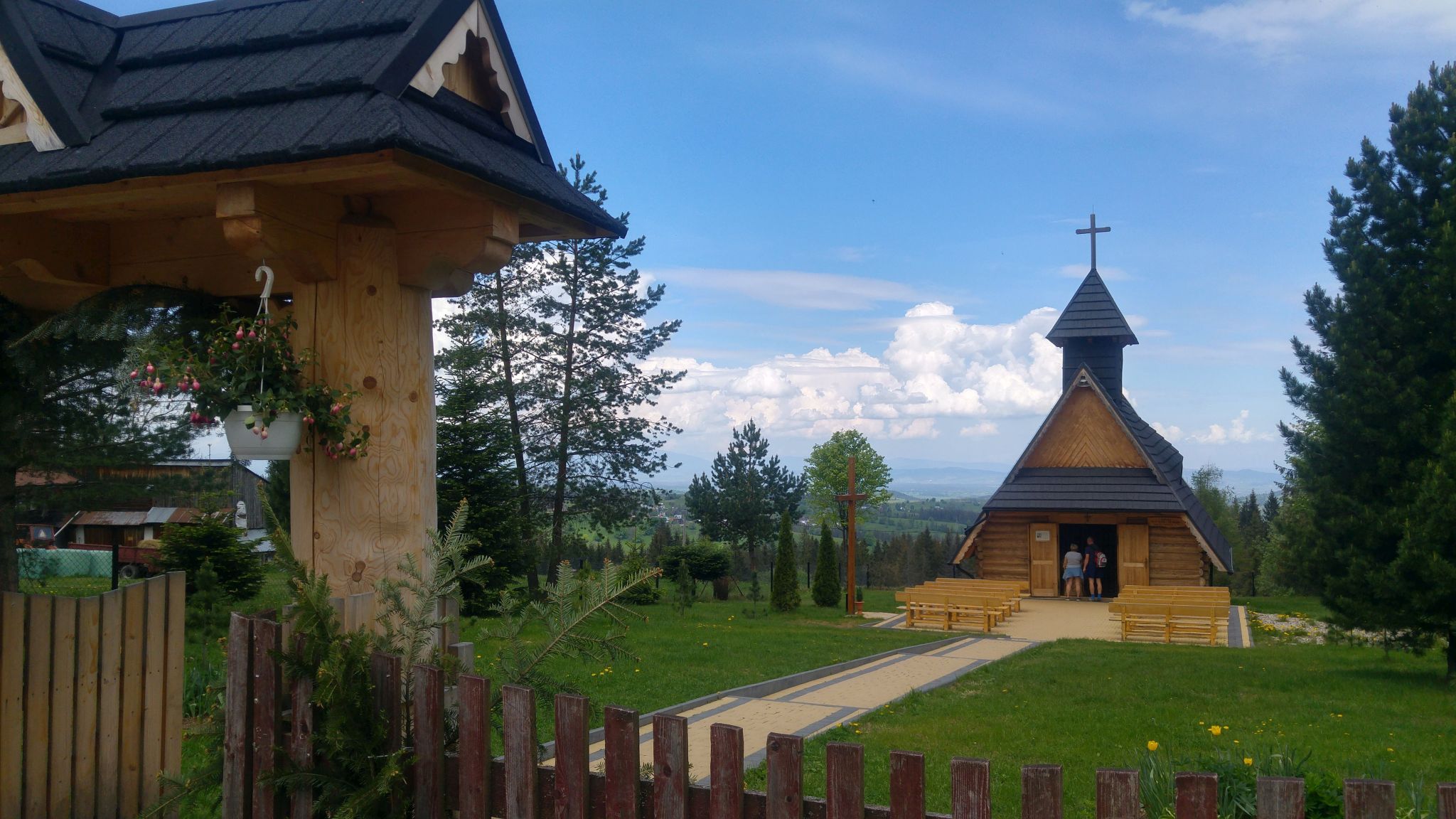
We considered options for getting the most out of Zakopane, ably helped by some tips from Gosia, who knows the area. One was Morskie Oko, the “Eye of the Sea”, a picturesque tarn accessed by a hike the heavily pregnant Olga didn’t feel up to. One was the cable car up to the Kasprowy peak on the Slovakian border, which looked fantastic but… wasn’t operating that week. The last was the funicular up to Gubalowka, the other side of the valley, which we went for.
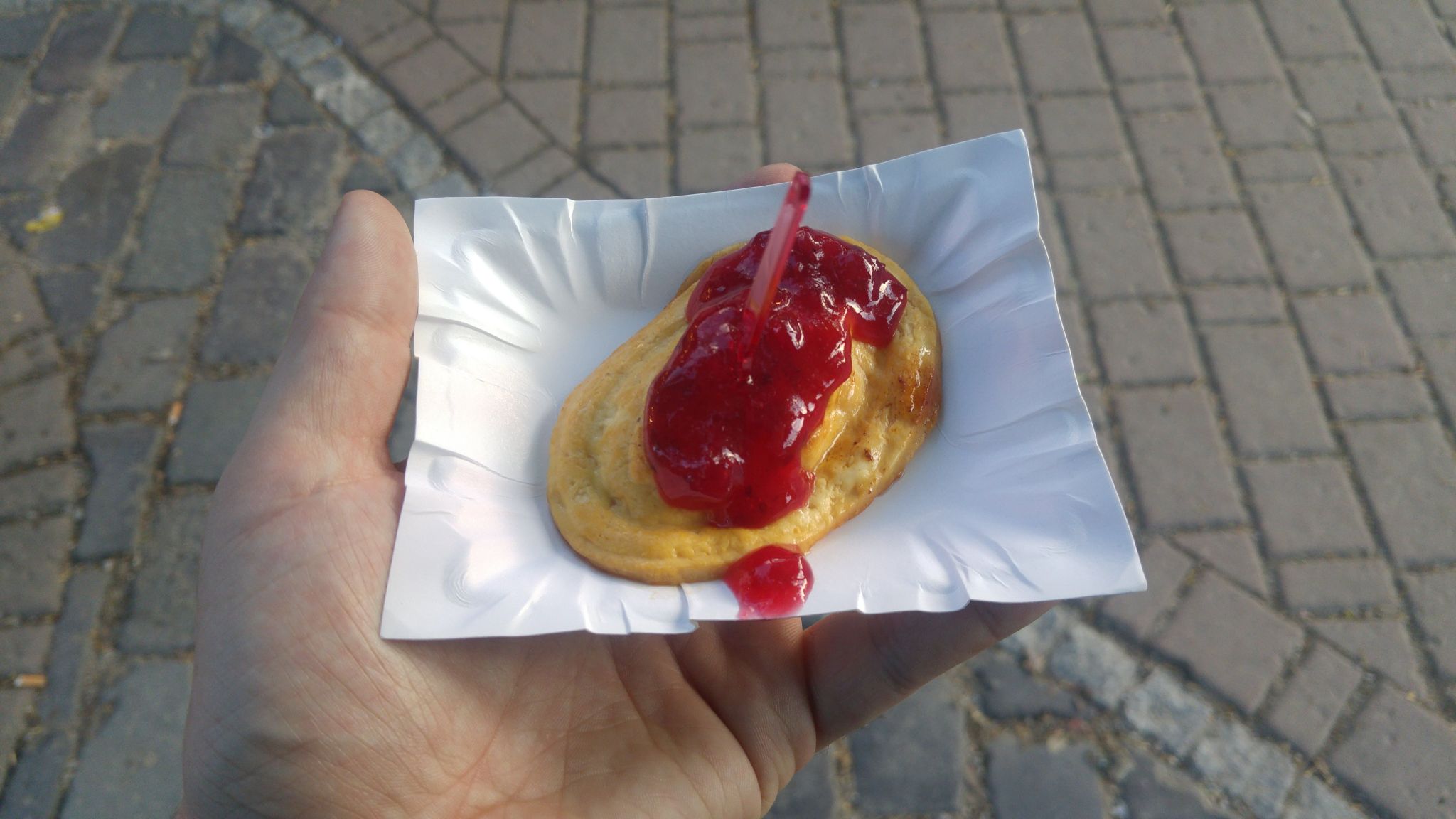
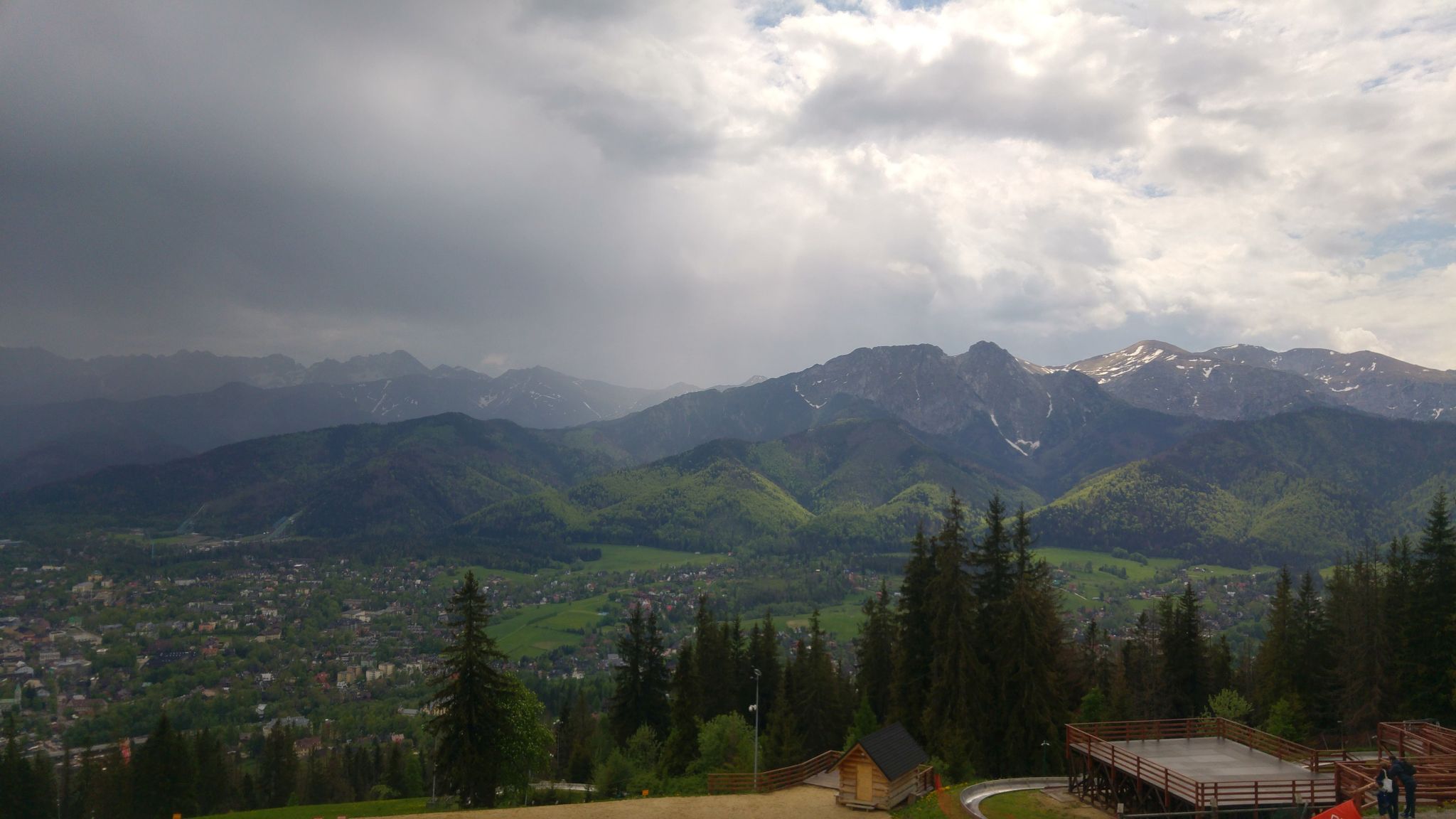
By day Zakopane and its tourist-tat markets had slightly less charm than by dusk; a massive expensively overengineered underpass in the town centre, rather than a simple pedestrian crossing (which might slow the cars) left no doubt as to who was more important here. The funicular was a clean new box in the colours of the Ukrainian flag, and positively zoomed up the mountain into a complex of more tat stalls and tourists. From 1,100 metres up, however, the Zakopanorama was magnificent. We had a long stroll along the ridge of the hill, enjoying the clear air, and watched a rain squall coming in over the mountains from Slovakia as we lunched on grilled sheep cheese and sauerkraut soup. The steel toboggan ride near the funicular was great fun.
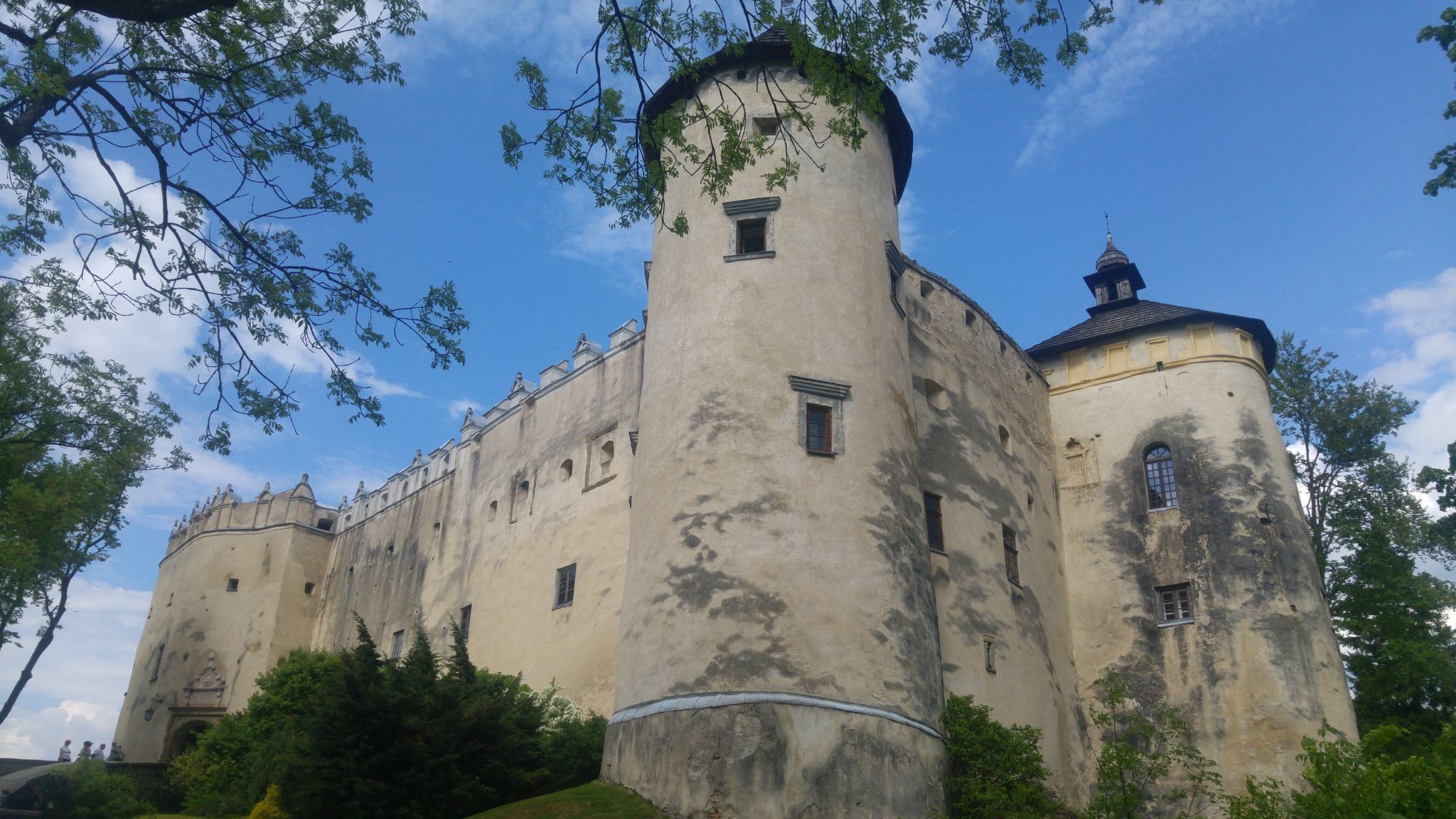
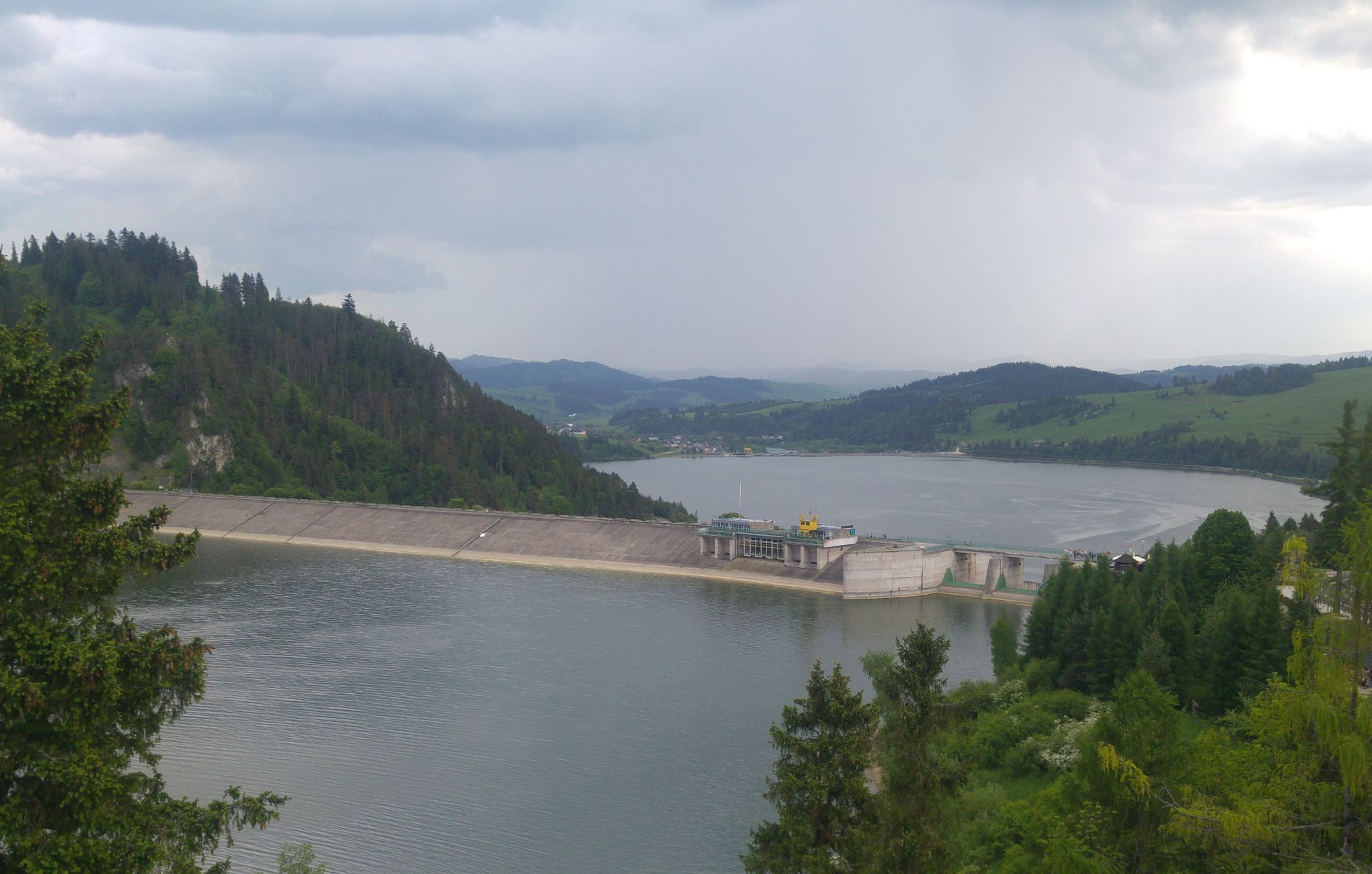
Onwards to a castle – named Dunajec for the river it commands – Hungarian-built and mainly Hungarian-owned up until the post-WW1 treaty of Trianon. It sits across the artificial lake of the dammed Dunajec from the ruined Polish Czorsztyn Castle, and pleasure boats pootled across said lake as we explored the castle’s limited but charming contents and fantastic views. Another rainstorm arrived as we had a look at the dam, big fat slow raindrops that burst heavily around us. It was time to move on. Through the rain-streaked windows, the now-lakeside town of Frydman cowered behind a massive levee, like latter-day city walls.
Getting into Krakow was, predictably, hellish, although we got a good look at the highly impressive Wawel Castle on the way in. Our accommodation this time was a handsome thirties apartment block, its interior full of Instagram-bait modern decor, cutesy to the point of tweeness but very well furnished if you look past the faux-Scandi-packing-crate flooring and the LOVE <3 here and there. It was on the outside of the double ring of roads surrounding the Old Town, where we made our way in search of dinner.

An old town, but a young clientele – hardly anyone out and about looked under 30. After much wrangling we finally found a place doing kasha based meals (think couscous but with buckwheat groats). Across from us was a huge hollow bronze head; behind it, the odd piebald clock tower, patchy with brick and marble in a way that defied obvious explanation. The glorious Polish baroque cloth-hall stands in the middle of the square. Behind it, the Basilica of St Mary’s lopsided towers are crowded with multifarious mini-spires. In the market below, we found that while Krakow’s proper crest is three towers, the thing on all the fridge magnets is a dragon.
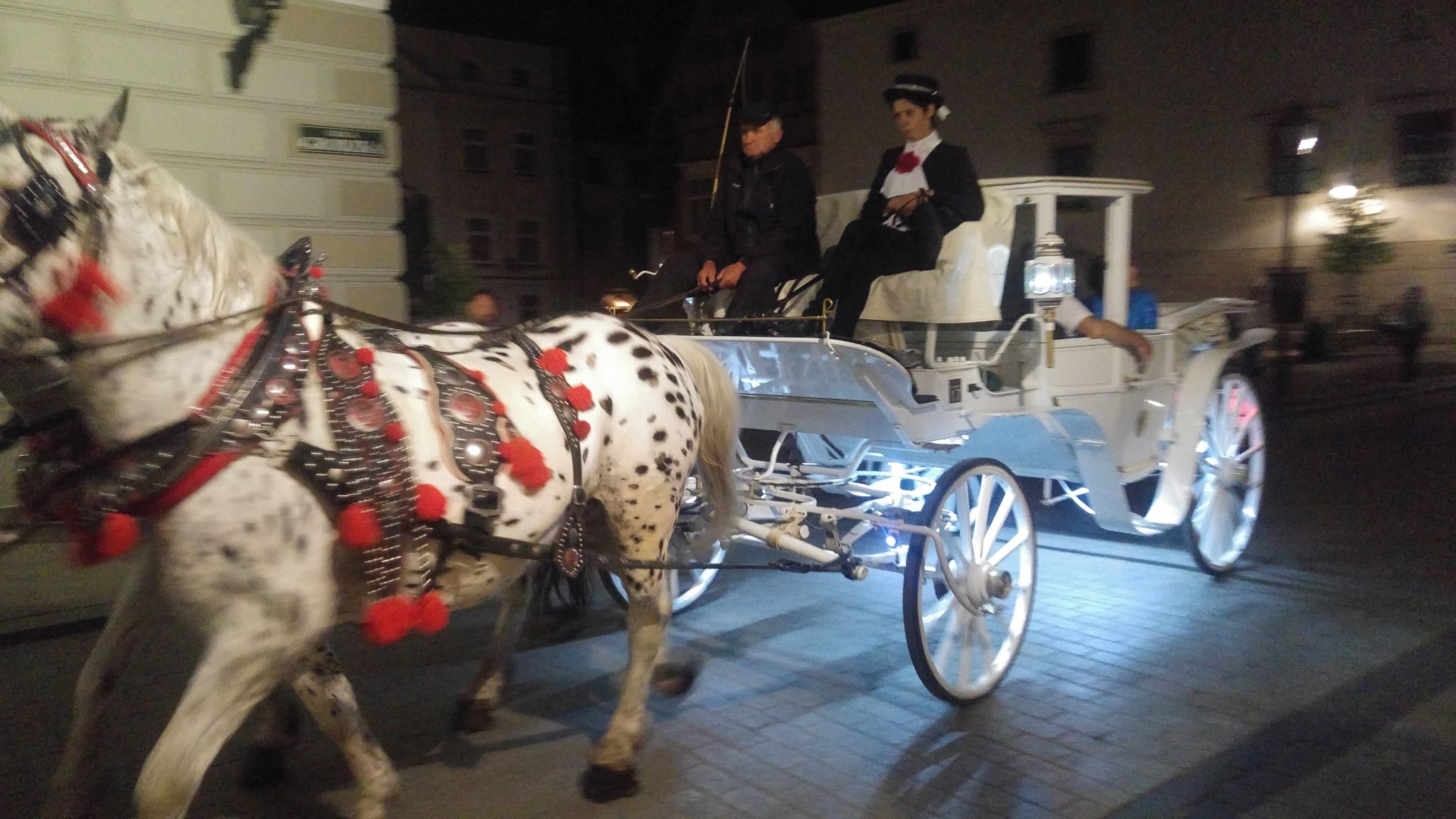
“I like this city. Very cosmopolitan. But this can be a bad thing. It means more Russians. And English.” We weaved through the market stalls and happy crowds, onto the Royal Road. Buskers were playing “Hallelujah” – they were actually very good, but it was the third time in the third city we’d heard the song and it was already tiresome. White coaches with gloriously caparisoned horses clopped past, fitted with under-carriage lighting which looked jarringly gangsta, as we admired the Basilica of Peter and Paul and the variegated immensity of Wawel Castle, and then turned for home.
Warsaw Old Town – Poznan & Citadel – Poznan Museums, Wroclaw by night – Things of Wroclaw – The long road south – Zakopanorama – Krakow & Wawel
 underneath the open sky