This is the last post in a series! You can start from the beginning here, or browse the whole Adventure in reverse order using the tag here. And as ever, click the images for full-size versions.

Feeling like a lighter breakfast, we headed to Irish Town (a street running parallel to the high street, which was historically the… Welsh quarter. No, me neither) for coffee and croissants. A #2 bus full of mostly-masked Gibraltarians whisked us off to the south, and the driver’s effortless switching between English and Spanish was no longer a novelty but still very impressive. There wasn’t a lot to see on the high road through town – it barely even has any fortifications. The main adverts at the bus stops were for homewares and for Gibsams suicide prevention.
We were at our destination in a matter of minutes (it’s a bit of a surprise just how small this place is). The southern end of Gib shelves down in stages: the high peak of the Rock proper rises from a large plateau called Windmill Hill Flats, bounded by dramatic natural walls that barely need their fortified enhancements (they were sea-cliffs, once, when Gibraltar sat many metres lower in the water). South of it is a second, lower plateau: Europa Flats. Beyond, below another set of cliffs, the sea – and beyond that, a band of steel at the bottom of the aluminium-grey sky, Africa.
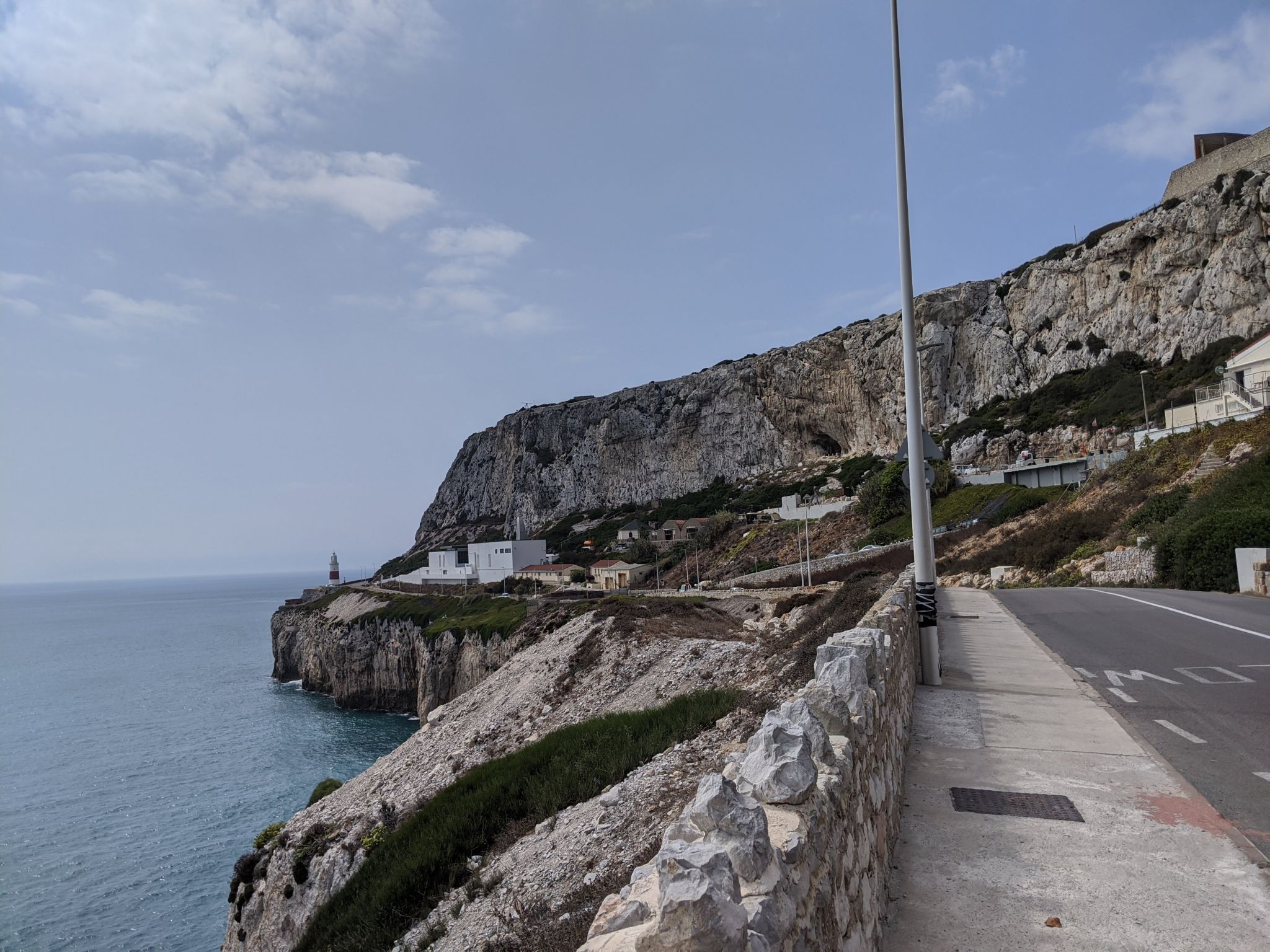
The main road around all Gibraltar skirts the bottom of the Windmill Hill cliffs, and it was there that we got off, near the tall white minaret of the Ibrahim-al-Ibrahim mosque. King Fahd of Saudi Arabia paid for its construction, but apparently not for its maintenance, and it was looking a bit ratty from twenty years of sea breezes.


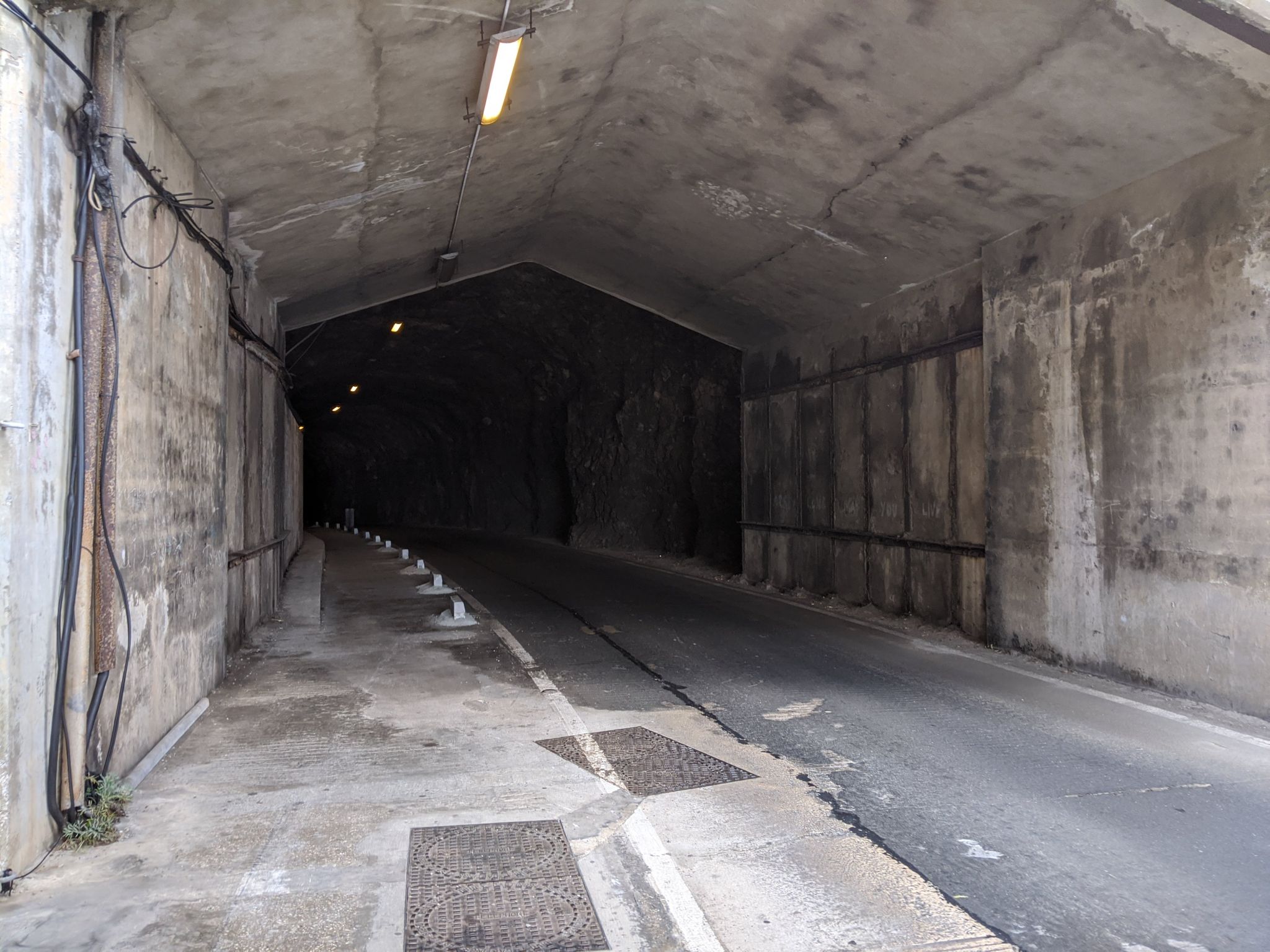
We headed north and east, past the forbidding-looking mouth of the Keightley Way tunnel (which I think is one of the few tunnels there not originally built for a military purpose) and along Europa Advance Road. Above us to the left, the frowning slits of bunkers disguised with local rock; below to the right, the plain concrete backs of yet more fortifications. This quarter of Gibraltar is the most weatherbeaten and least prosperous-seeming part, where the unwanted things go: a crematorium, a rubbish incinerator, a motorbike club. Also, Gorham’s Caves, the UNESCO World Heritage site and possibly last outpost of the Neanderthals.
The Caves were included in the joint museum ticket (and would have cost a few quid otherwise), but you don’t actually go in them – the attraction is a viewing platform overlooking the cave mouth with some info boards and a screen. But if you’re lucky, as we were, you also get a fantastically engaging seminar from a local archaeologist, intermittently broken up by pointing out tuna or dolphins splashing around happily in the western Med. We must have listened for an hour, hiding from the sudden midday sun under borrowed parasols, as she vividly described a third limestone shelf (and, beyond it, the swampy, salt-choked bed of Mediterranean for the half-million years between the Messinian salinity crisis and the Zanclean deluge*) gradually shrinking with rising sea levels, concentrating an increasing number of upsetting-sounding predatory animals (that’s where all the big teeth in the museum came from) into a small space around the caves that Neanderthal groups used as home. As well as tens of thousands of years of human leavings, cave excavations have found sustained habitation from our knobbly-browed cousins – most interestingly, the cave boasts a set of forty-thousand-year-old carvings which are argued to be the only known piece of Neanderthal abstract art.
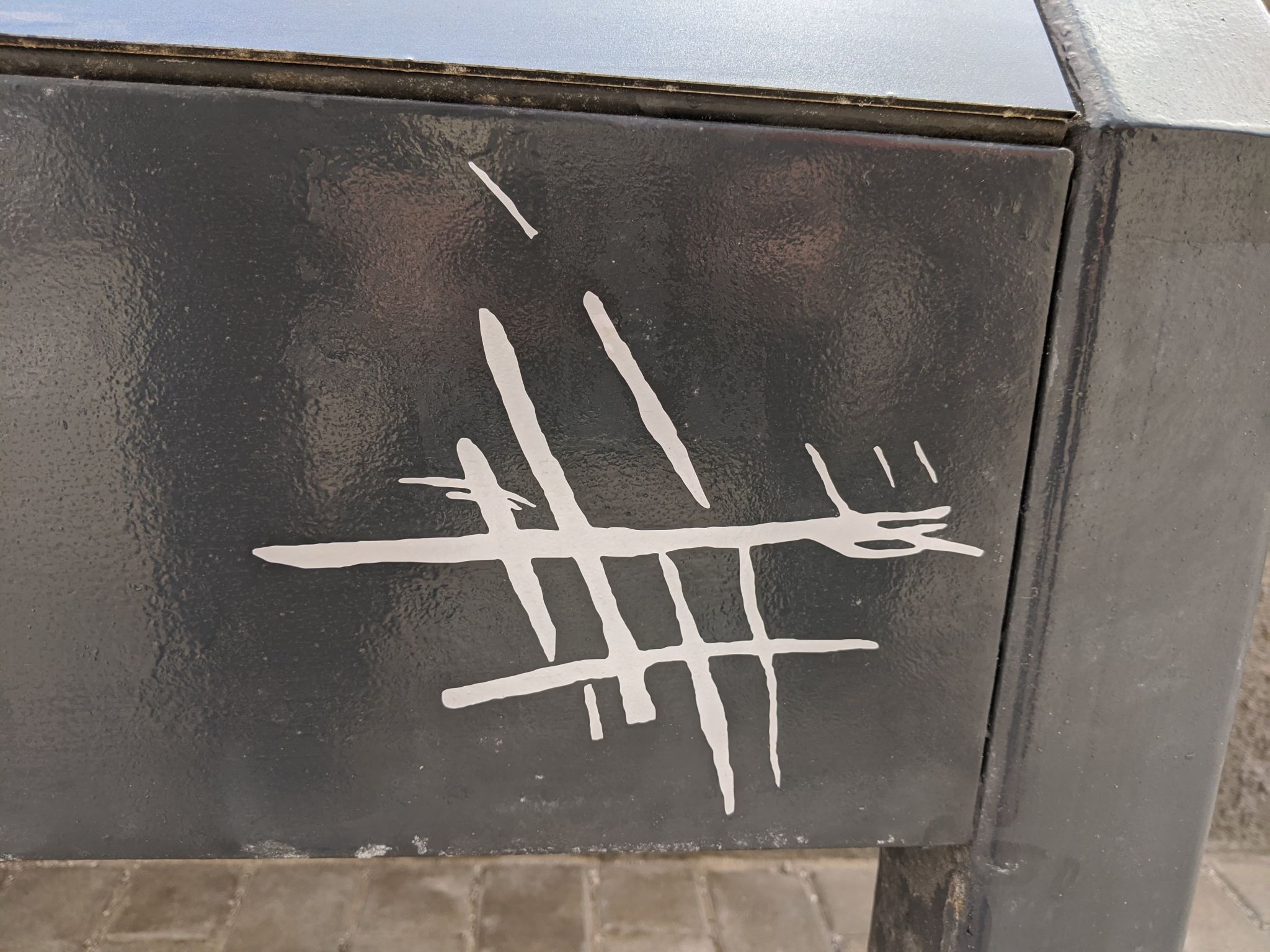
Early humans expanding out of Africa came to Spain the long way round, expanding across Europe and gradually wiping out the indigenous Neanderthals (it’s unclear whether through violence or competition for resources, but the result was the same), and southern Spain last of all: the south coast of Gibraltar’s sheer out-of-the-way-ness meant that its little Neanderthal tribe was among the last left on earth.** I thought about the little gnarled people back at the museum, and wondered how much of that they understood before they, too, dwindled away and died.
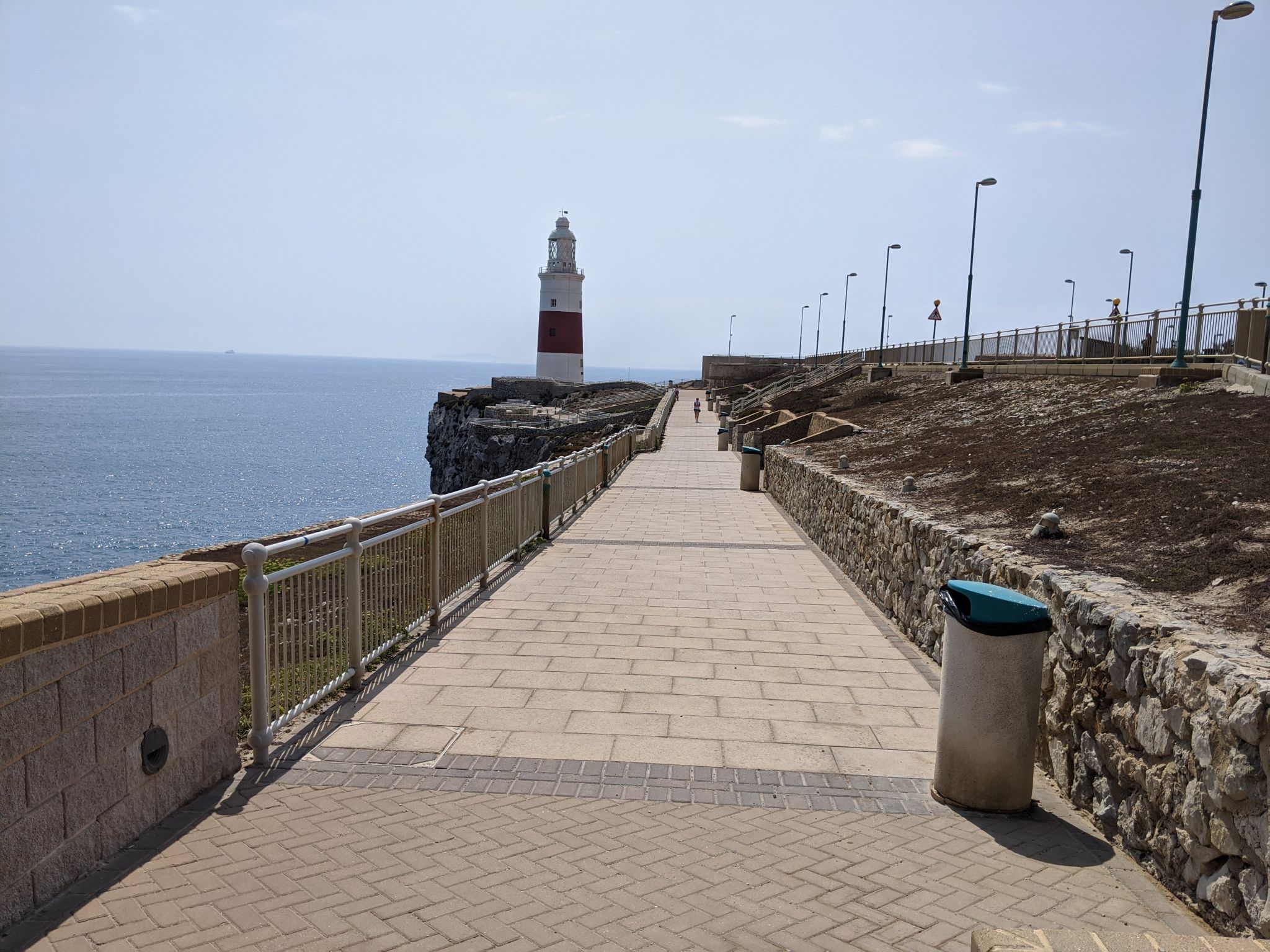
The cloud was clearing on both shores of the Mediterranean, and as we headed south down Europa Promenade to the lighthouse we could see the base of Jebel Musa and most of the Rif Mountains, giant shapes in the haze. It was quiet, and past looking through my telescope at ships (including one that seemed important for work reasons, and the cruise ship Westerdam, lately famous for viral load) there wasn’t a great deal to do. There’s another battery and sunken magazine, with a nicely restored 12.5″ RML (huge in its own right, though a tiddler next to yesterday’s piece), but this one was definitely closed. There’s also a monument to Wladyslaw Sikorsky, leader of the Polish government-in-exile until his plane crashed off Gibraltar in ’43, and its text pulled absolutely no punches about how badly Poland was treated before, during and after the war.


We bussed back into town for a late lunch at the Mad Monk, a wander round the Convent and, finally, another bus trip to the east coast. Our pal at Gorham’s Cave had sadly described the huge dune that’s accreted up on the eastern side as “archaeologically worthless”, thanks to the wartime work to turn the whole place into one big raincatcher (which also extirpated all wildlife, only now just coming back.) It’s still quite a sight.


Overlooking Sandy Bay, beneath the WW2-era ring netting, is a postcard-perfect postwar resort, a great long ziggurat of white-painted concrete, orange tiles and imported Saharan sand (it’s changed a lot recently), contrasting hugely with the rest of the east coast – a gret jumble of derelict bunkers and broken rocks. Nearby, the Admiralty Tunnel cuts through the entire Rock, a tiny glimpse of sunlight visible from the east side.


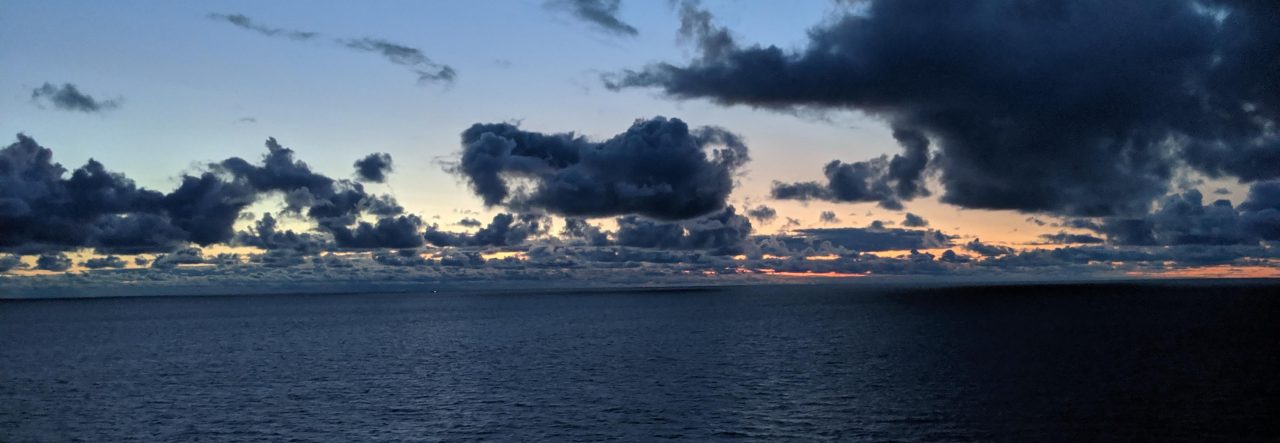
We dined on swordfish and calamari at Catalan Bay, a pleasing scatter of brightly coloured buildings and mostly-Spanish voices under the great grey shadow of the Rock, and watched the sunset-red ships seem to float above the silver horizon. Then back into town on foot for the last time, past great in-progress earthworks and secure car parks containing enough pickups trucks and 4x4s for another Toyota War, and trying without success to make out all the uncountable loopholes and gun positions peppering the Rock’s northern face.


* Look it up. I’ll wait.
** With the same “as far as we can tell” caveat for anything this long ago. The archaeological record is so patchy that it’s hard to say any of this for certain, but this is the most convincing and widely accepted version.
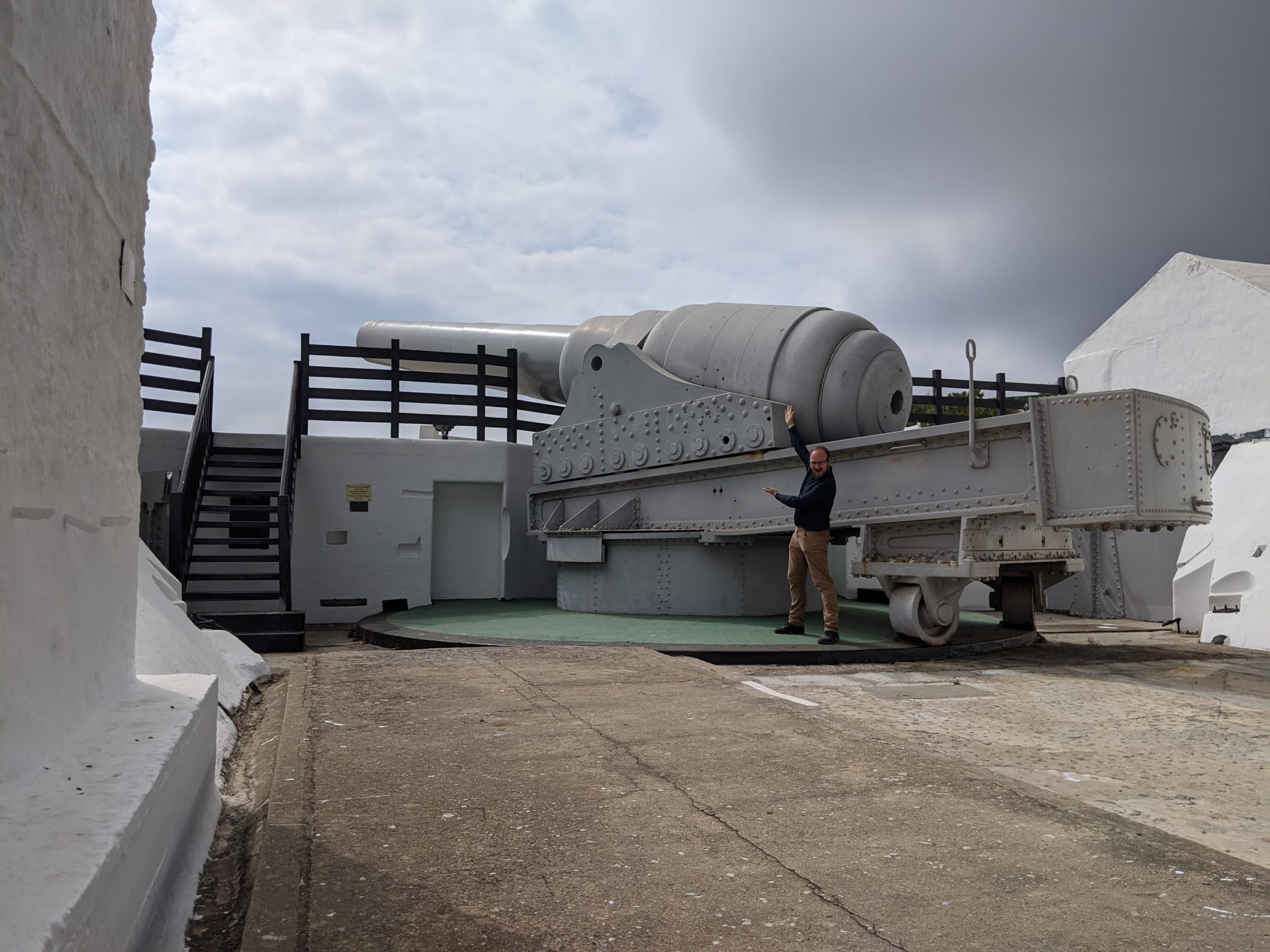
Arrival, old town, Alameda – Fortifications old and older – Atop the Rock – Museums, models and an unfeasibly large gun – Gorham’s Caves, south and east










 underneath the open sky

