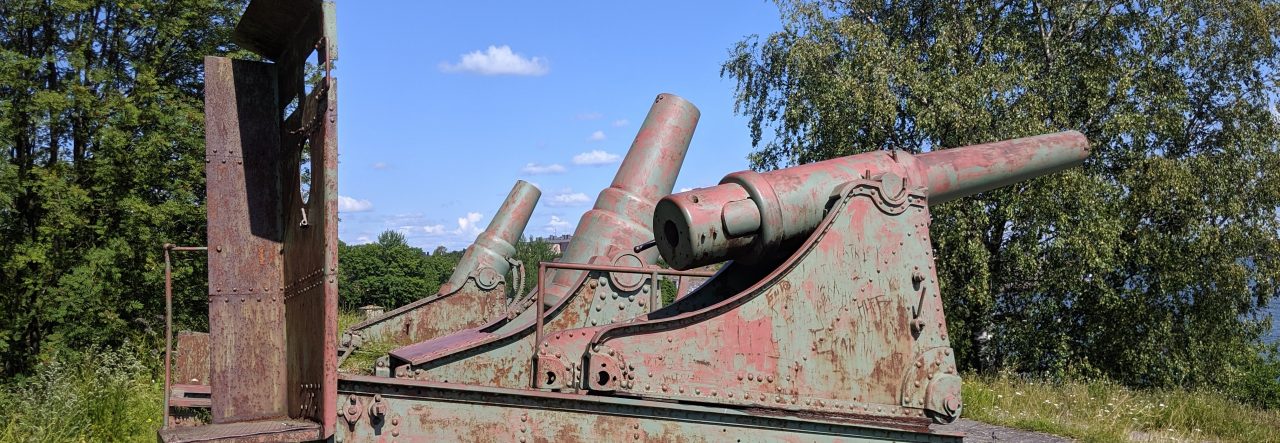
Click the images for full-resolution versions less horribly compressed by WordPress!
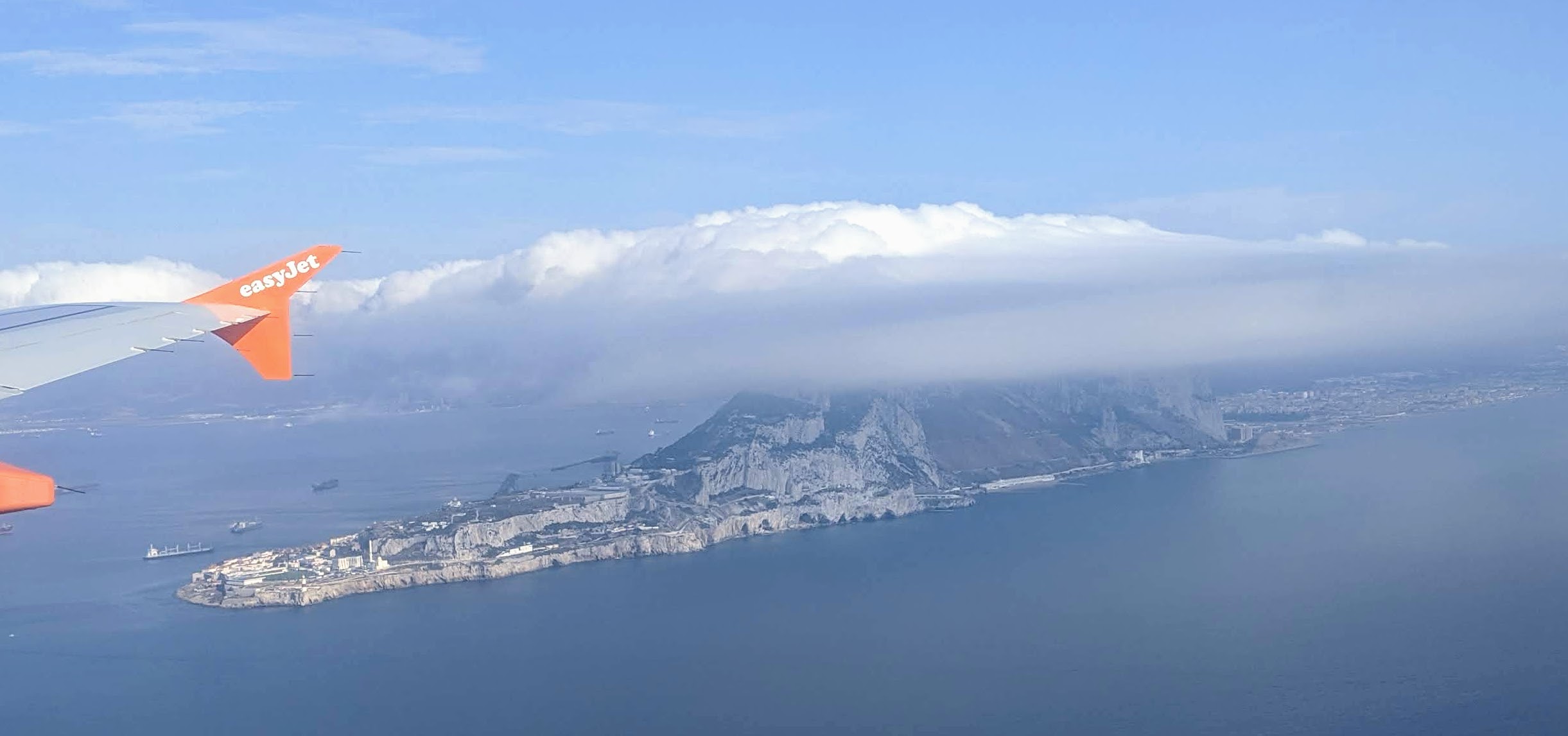
We arrived at Gibraltar thirty minutes ahead of schedule, a long, languid descent watching our plane’s shadow wander across the desert-camo bedspread of Andalucía: towns scattered like patches of powdered chalk, solar farms glittering like golden medals. The pilot made a long, full circle of the Rock for our benefit; where most of Spain had been cloudless, it sat glowering underneath a hazy hat of stratus, as if asserting its authenticity as a piece of Britain-outre-mer through sheer defiant overcast.
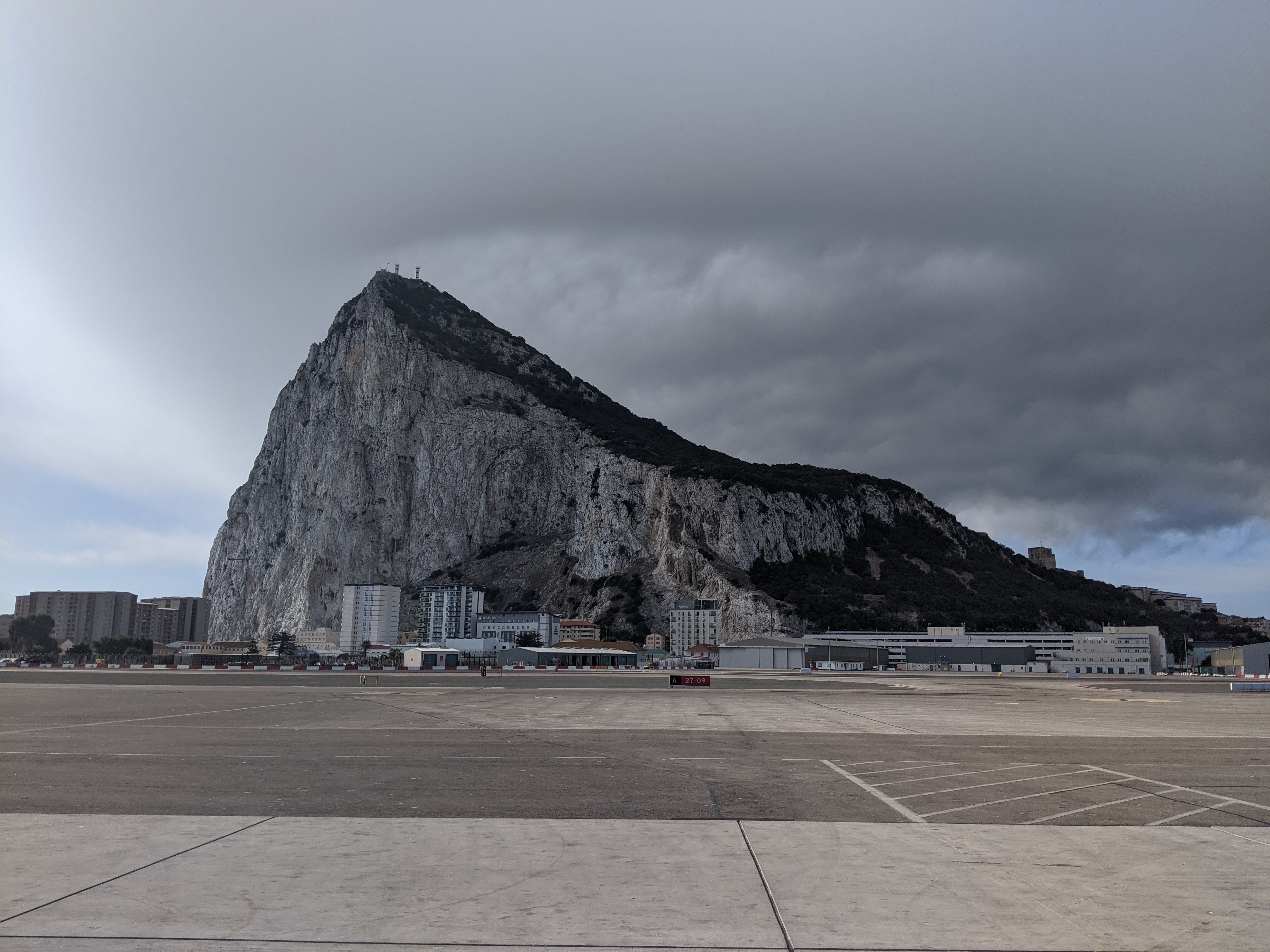
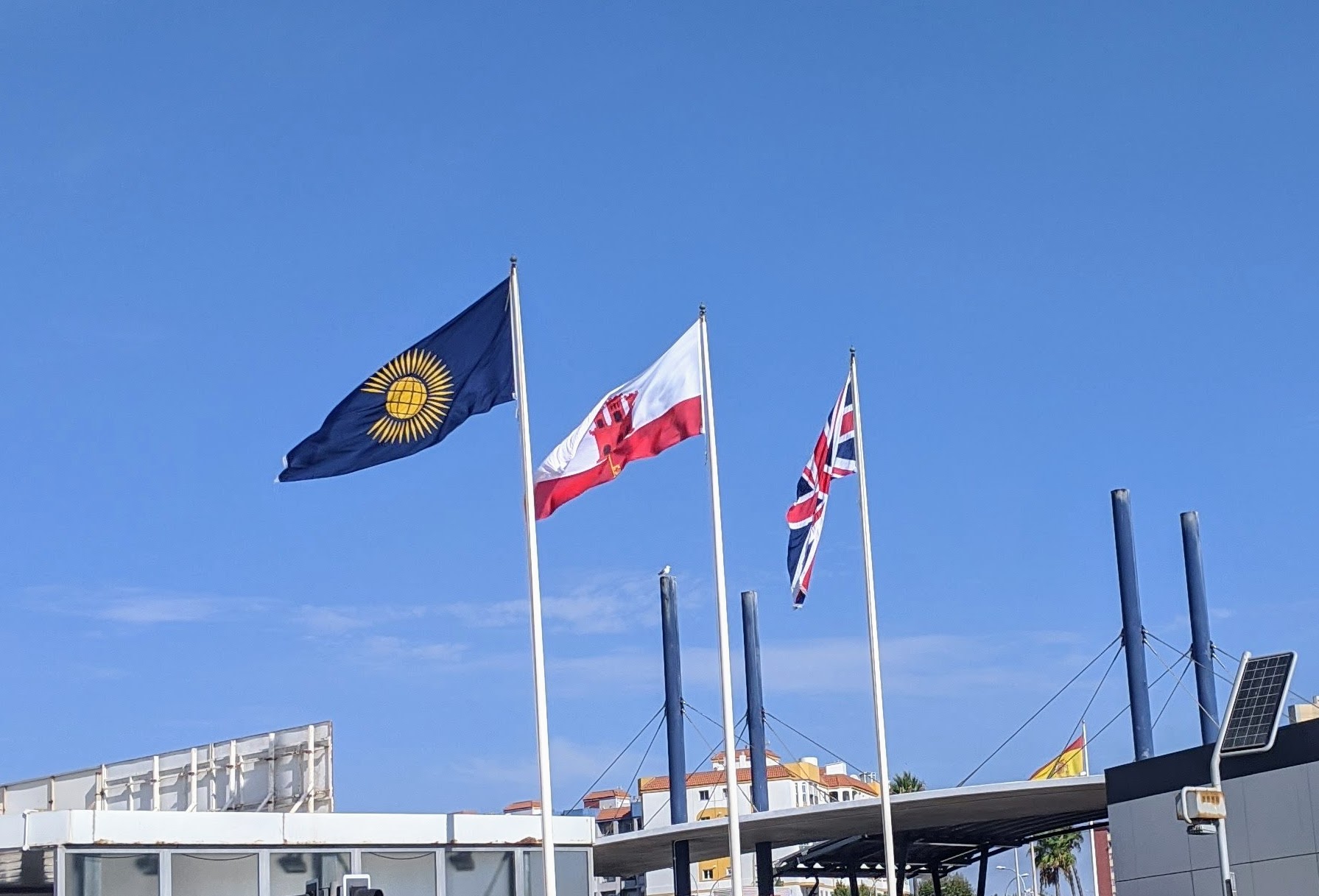
The Gib-side border post at La Línea de la Concepción flies the flags of the UK, Gibraltar, and a circular gold design against a dark blue background: the Commonwealth of Nations. The road to Spain is also the airport’s runway, and we walked across the huge, humid emptiness towards the immense face of the Rock, freckled with foliage and firing ports, its silhouette broken by the signals base at its peak and the looming lump of the Moorish castle at its hip.
The little details of Gibraltar jump at random between extremely British, thoroughly Continental, and uniquely local. People drive on the right in the sort of vehicles you expect in Spain, but stop at the exact same traffic lights with the exact same buttons as back home. Telephone boxes are the Gilbert Scott classics; postboxes are the same design as at home but have black hats and details; buses are red, but a dark oxblood rather than London Transport scarlet; the tower blocks in the northern district have the same sort of names and lettering as postwar council estates back home, but paint jobs, AC and serious shutters appropriate for the south side of Spain. A war memorial commemorates “THOSE WHO DIED FOR THE EMPIRE.” It’s charming but uncanny, like wearing cultural bifocals that keep slipping in the humidity. We advanced up the main drag, observing British shopfronts and Spanish pavement habits, to our Airbnb on a side lane just past some government buildings and giant Playmobil figures. We assumed the immense numbers of Gib flags, Union flags and red and white bunting overhead were artefacts of Gibraltar Day (the day before we arrived) rather than an Orange Order-style statement.


We stopped at Casemates Square for a full English (perfectly authentic, though no more than decent; sachets of British vinegar and Spanish mayo, and coins the same shape and metal as back home but minted with different designs). On the docks, we found the crown jewel of the Morrisons empire: shining white, glossy and modern on the outside, with shades above parking spaces to protect against the Mediterranean sun. Inside, it was almost exactly like the one in Burton on Trent. Weird.
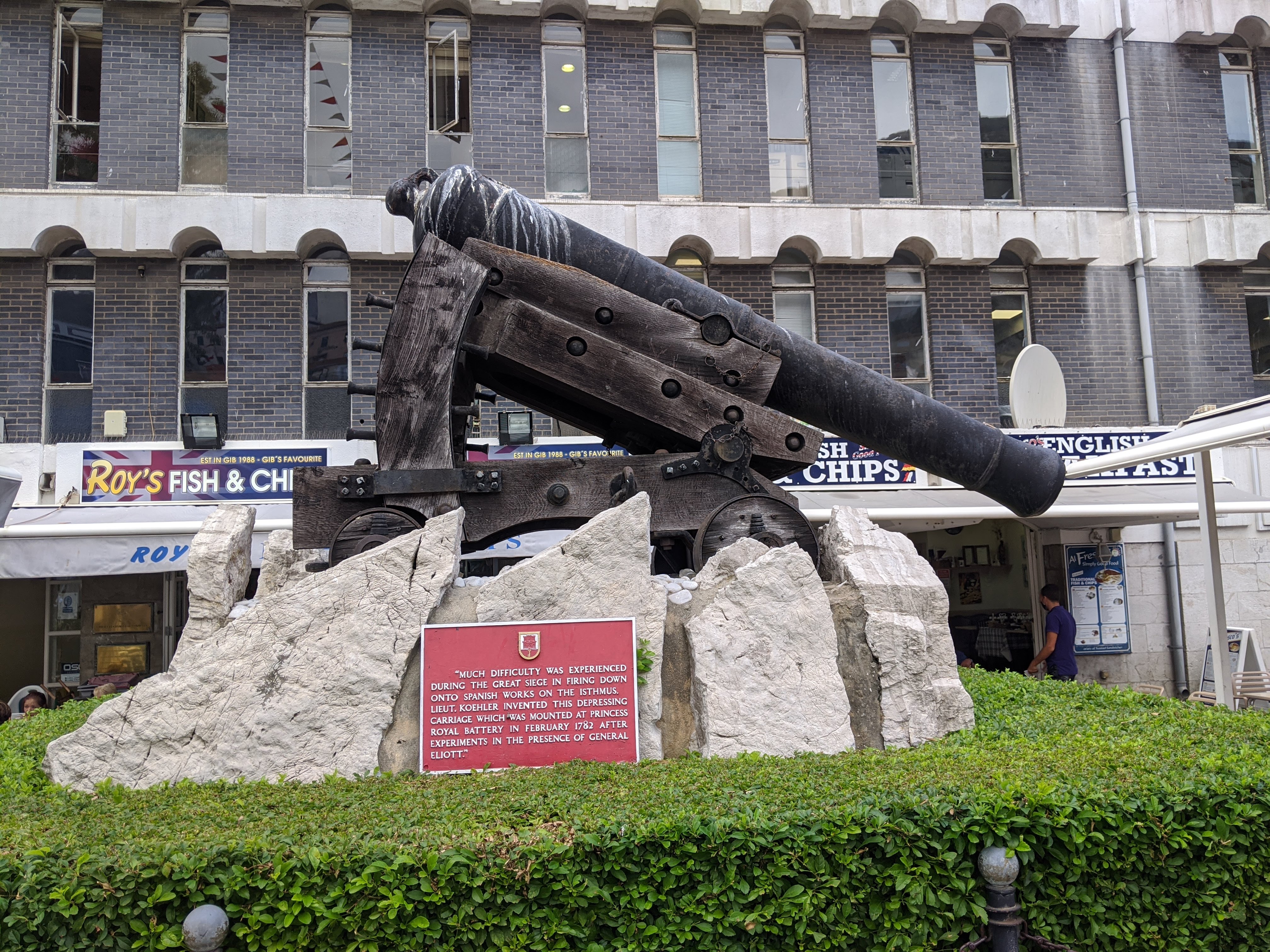
Looking at a map, two things very clearly define the geography of the town: first, the difference between the “old town” of dense alleys (mostly Regency or Victorian, mostly rebuilt after the devastating siege of the late 18th century) and the “new town” of high-rise estates built on land reclaimed from the harbour. Second, the immense bands of defensive architecture between the two: Victorian battery upon Georgian bastion upon Spanish star fort upon Moorish curtain wall. Casemates Square, the main town plaza, is named for the rows of vaulted artillery positions that line it; it even has an iconic depressing gun with a helpful plaque (which, sadly didn’t explain how they stopped the ball from rolling out. Lots of wadding and a couple of prayers, I expect).


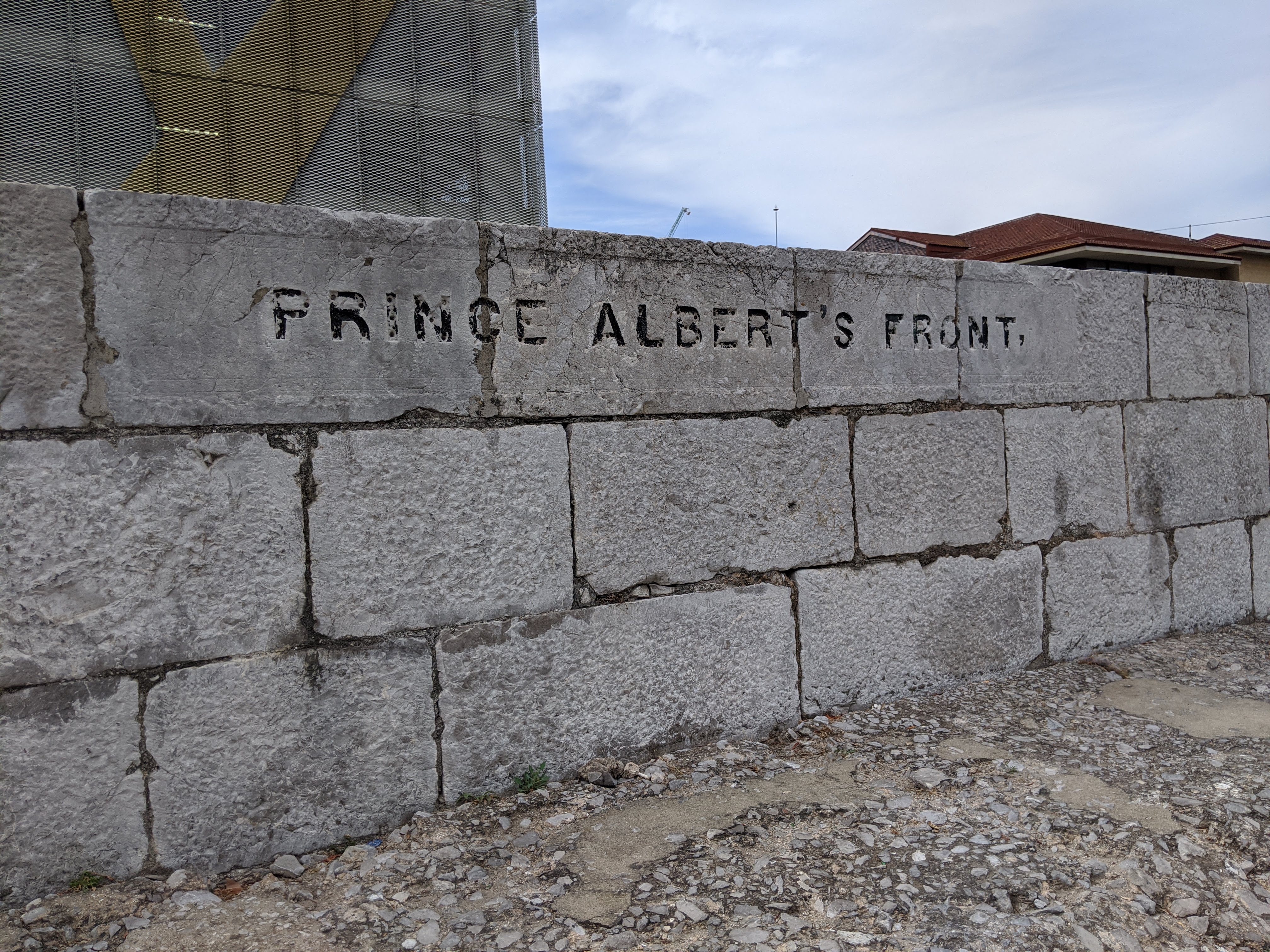
It’s almost impossible to look anywhere in Gibraltar without bumping into some sort of fortification (at one point I literally glanced into a flowerbed and found a plaque explaining that hello, this was once the Devil’s Tongue Battery) which makes it more or less My Perfect City. Huge old 32-pdr batteries perch above street corners; Armstrong 12” RMLs, rare in the UK thanks to their substantial scrap value, just sit in the street with nice new coats of paint; most of the bollards in the city seem to be honeycombed old cannon (including, a rarity in the role, carronades!) Much of the old defensive layout is obscured by Gibraltar’s sheer City-of-London density, but the walls, bastions and batteries are all still there, some turned over to moped parking or rooftop restaurants, some to linear public parks. The latter parts are scattered with war trophies (lots of captured Russian cannon from the Crimea) and monuments to the fallen of various nations in various wars: everything from quiet stone plaques to a massive American triumphal gate with two giant gold dishes stamped with big eagles.
From the King’s Bastion, we saw an understated Star of David on a wall picking out the Nefutsot Yehudah synagogue; a little beyond it was the rather more extroverted Cathedral of the Holy Trinity, an Anglican affair which from the outside looks like a Moorish leisure centre done up in Russian-style bright pastels. Inside, it has the lovely, sunlit, airy feel of a good 18th century church, except that every single architectural detail is wrong. The utterly banal God-pop music playing in the chapel of St George gave it a fairground feel quite at odds with the serious historical substance and the memorials and mementos lining the walls.


Beyond it, past the town’s Southport gate (possibly the only building anywhere bearing the arms of both Queen Victoria and Charles V, Holy Roman Emperor, plus a natty pair of Pillars of Hercules*) was the Trafalgar Graveyard. An assortment of mostly-Napoleonic war graves, many with cannonballs or mortar bombs perched on top of them, its mournfulness was no way offset by the loud parakeets or the huge monarch butterflies flapping and gliding around, and it felt a clear and worthy antecedent to the Victorian obsession with baroque, industrial-scale cemeteries. (The info boards play up the presence of Trafalgar casualties, but skate past the obvious fact that those killed outright in the battle would have been buried at sea; the Trafalgar dead buried here are those who died of their injuries some time after the battle, having made it back to Gibraltar while suffering horribly from mortal wounds. I suppose I can see why they don’t dwell on that.)


Thinking ahead for the next few days, we scoped the cable car station up to the top of the Rock (a constant looming presence whenever we glanced to the east, its cloud-cap continually drifting out to Algeciras and dissipating above the bay) and in doing so stumbled across the Alameda, or the Botanical Gardens. The Gardens were charming, well-kept and, like everything else in Gibraltar, full of artillery. Ranges of interesting cacti and succulents, more 12-inch RMLs, tinkling fountains and babbling artificial brooks in shady artificial groves, 18th century bronze howitzers, a great big bronze dragonfly perched by a pond, a Wellington monument with some dinged-up mortars, an Australian set so perfectly authentic a whiff of gum-tree made me think unbidden of kookaburras and shiver.


* Plus ultra.
Arrival, old town, Alameda – Fortifications old and older – Atop the Rock – Museums, models and an unfeasibly large gun – Gorham’s Caves, south and east
 underneath the open sky
Great write up J, hope you are well!!
Sent from my iPhone