Assuming nothing else goes wrong this year, I’ll be going on a much longer, more involved sea fort adventure this summer, but enjoy these for now…
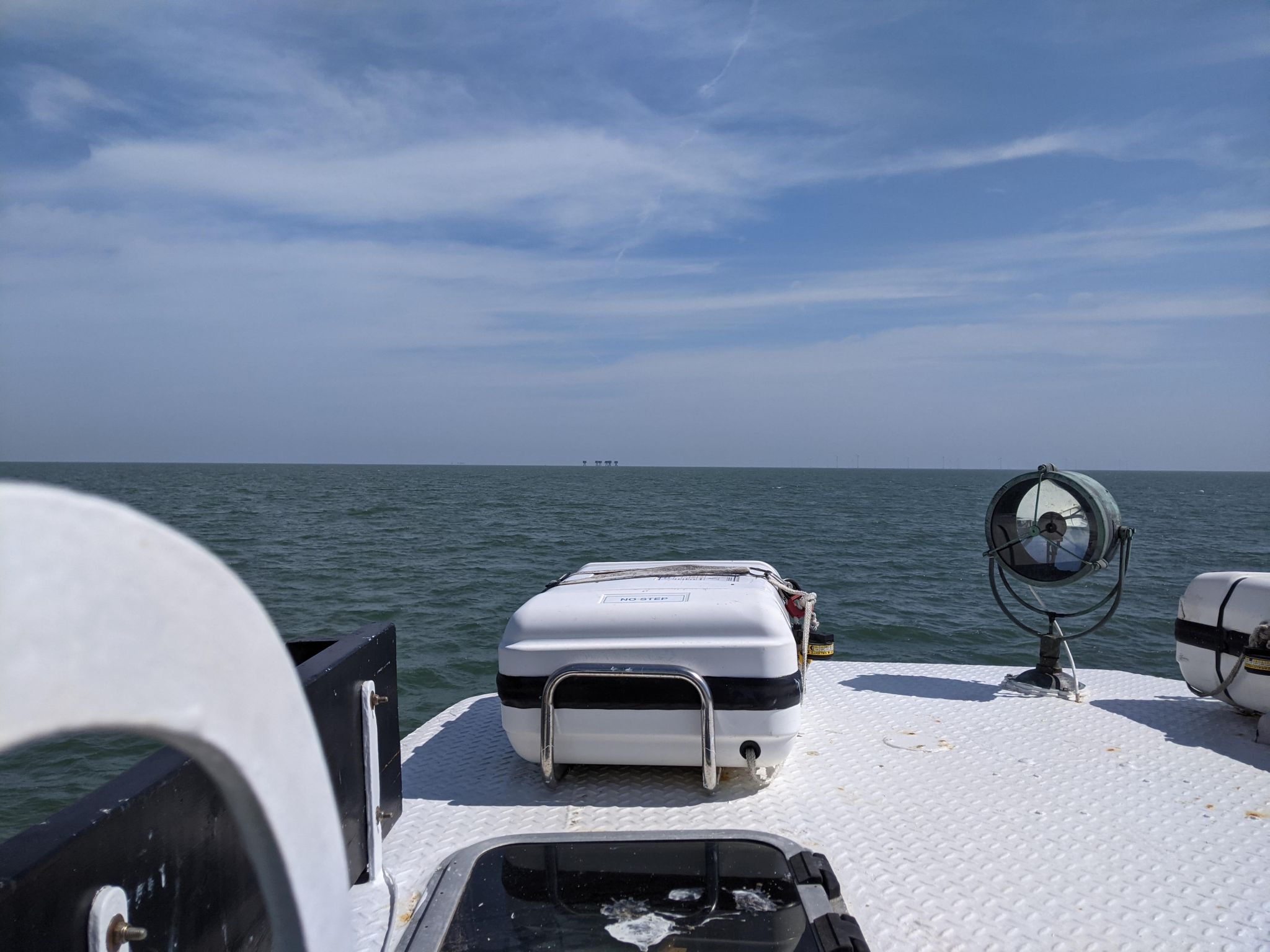
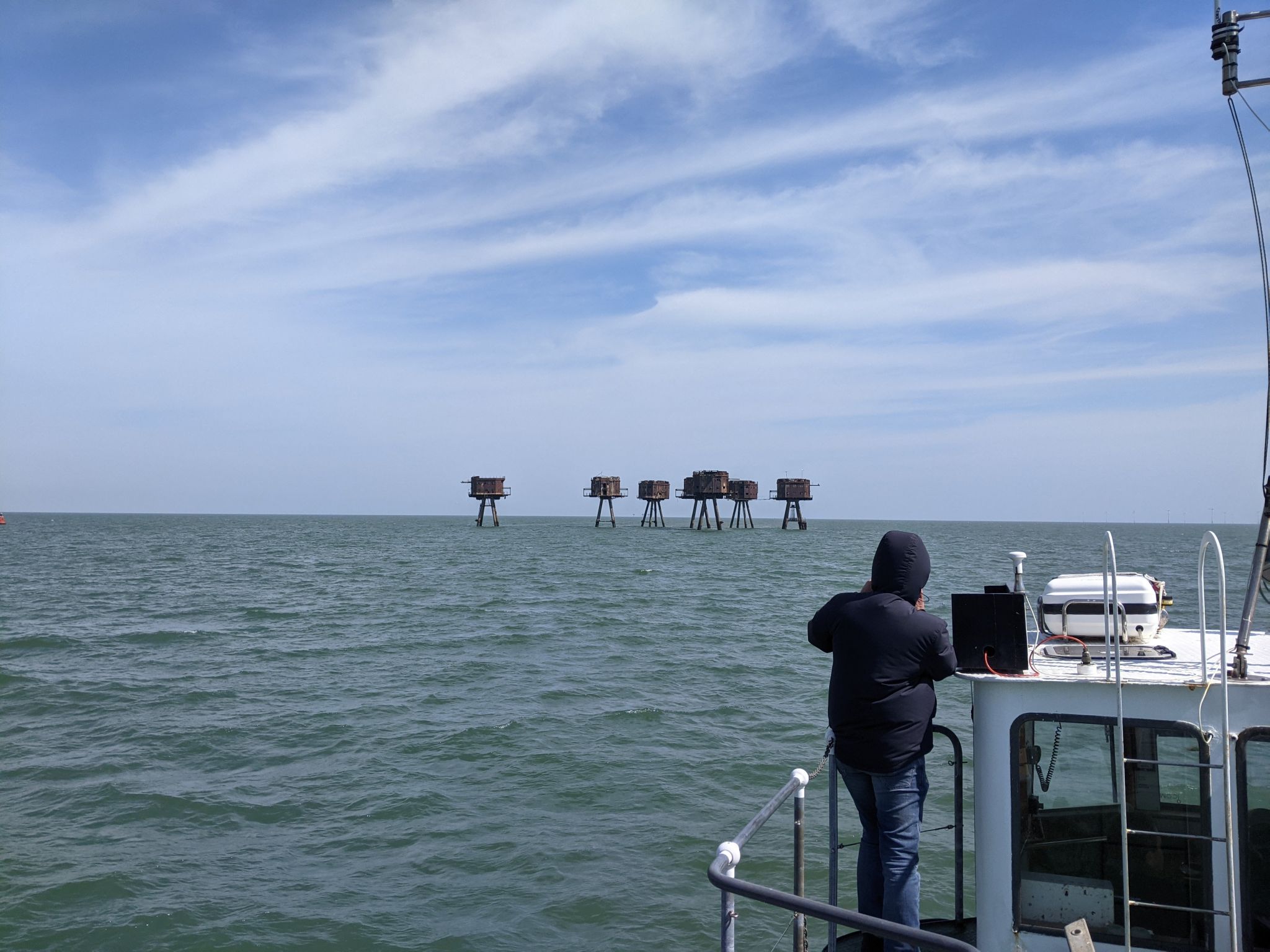
Assuming nothing else goes wrong this year, I’ll be going on a much longer, more involved sea fort adventure this summer, but enjoy these for now…
Most of these were originally posted on my Instagram. I’m keeping them on my blog for posterity and because Instagram is an utterly horrible website.
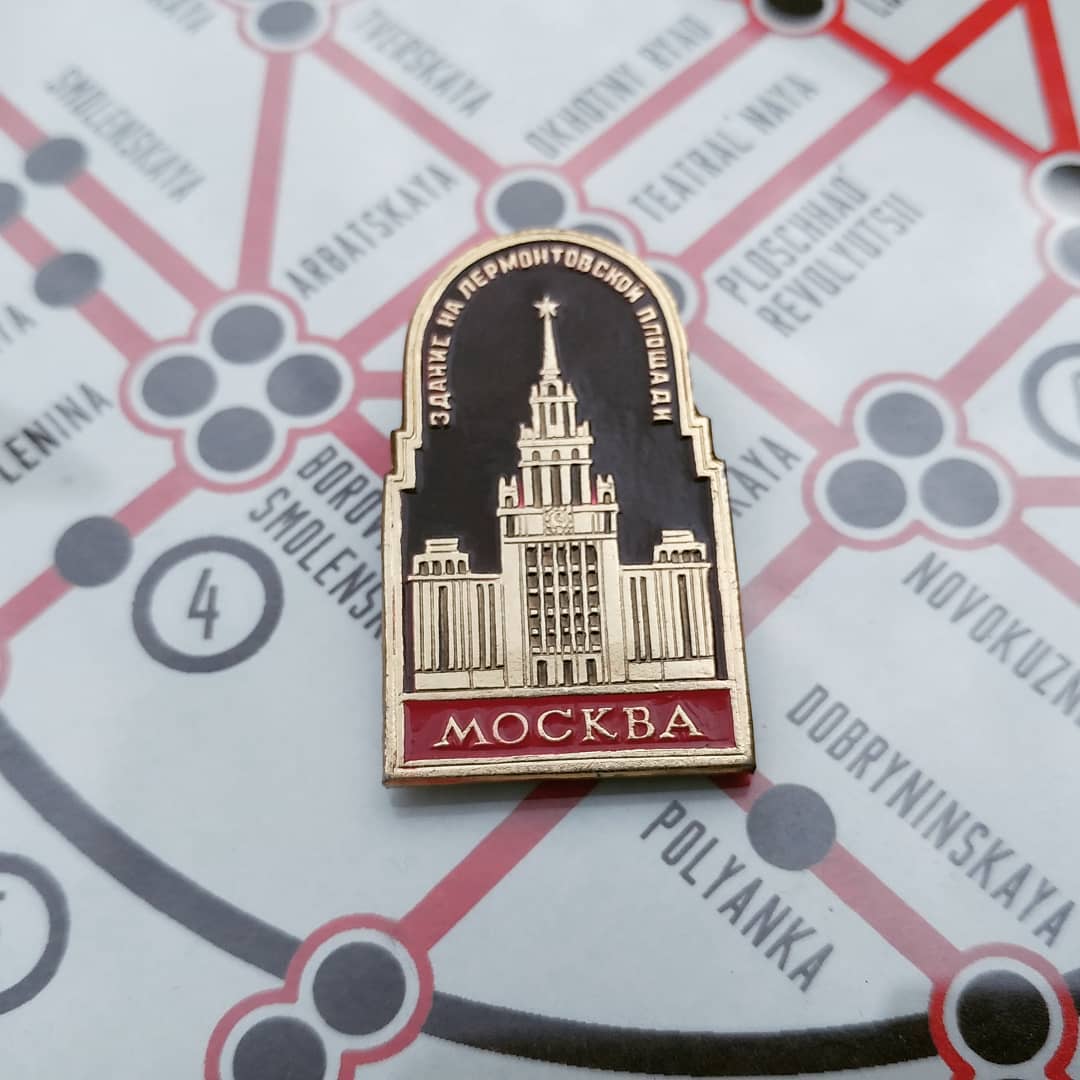
#1 МОСКВА (Moscow)
One of the largest badges in my collection! This is a Soviet-era badge depicting the Red Gate administrative building, one of the Stalin-era skyscrapers known as the “Seven Sisters”. The Cyrillic “здание на лермонтовскои площади” says “Building on Lermontov square,” the old name for Red Gate Square.
I visited Moscow in 2011 with two friends – you can read my travelogue here.

#2 TOKYO TOWER
Tokyo Tower is a bright orange knockoff of the Eiffel Tower (it’s actually several metres taller than the original, but rarely looks it in photos because it’s surrounded by big ol’ buildings), used for TV broadcasts and generally adding visual interest to the Tokyo skyline.
This badge was actually bought for me after the fact by my girlfriend, some time after I went out to visit her in 2012, spending a week in Tokyo and a week in Tendo.
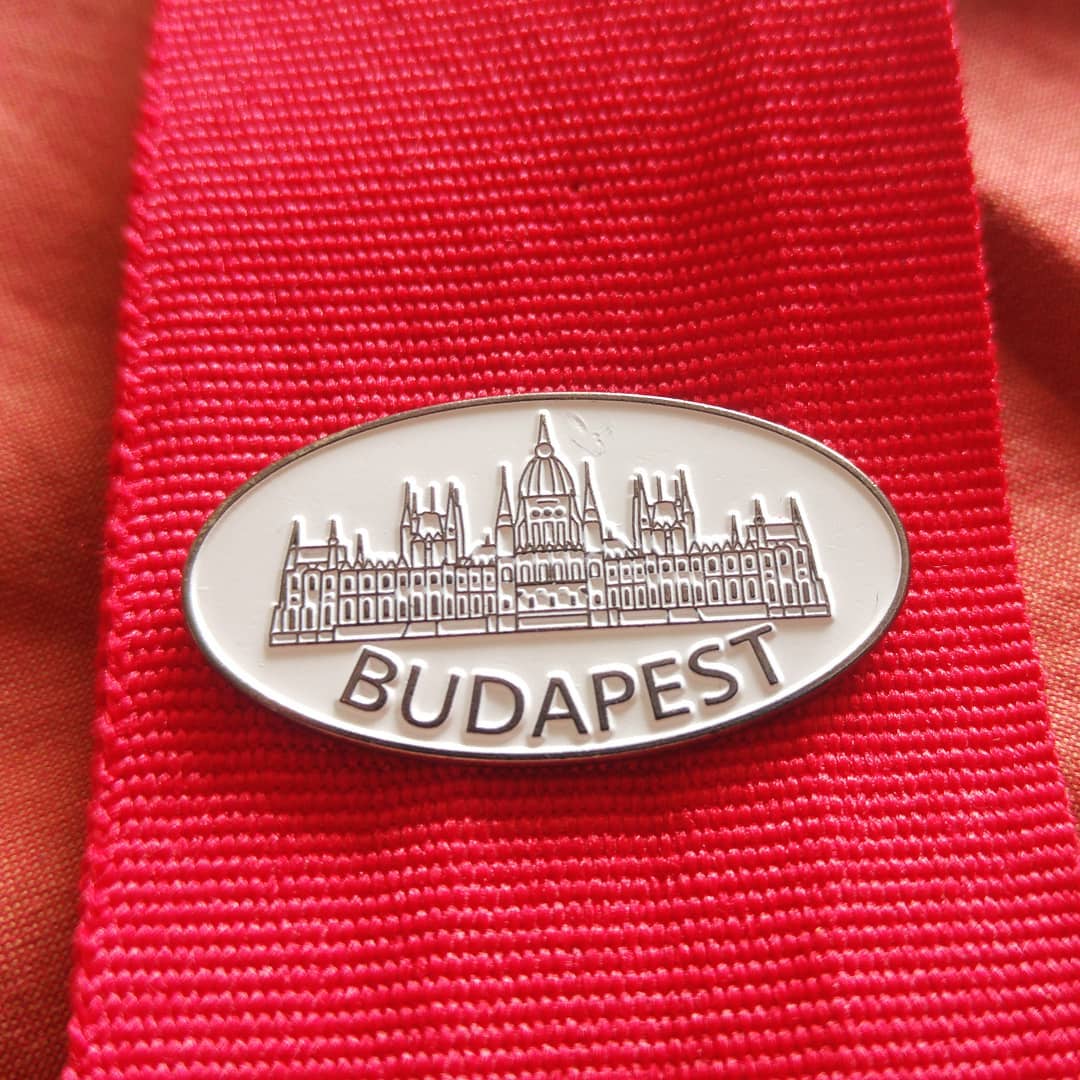
#3 ORSZÁGHÁZ
This badge shows the parliament building in Budapest, which for my money is one of the best buildings anywhere. I’ve been to Budapest quite a few times since (it’ll recur as I upload more of my collection), but this was from my first visit in 2013, which I wrote all about here.
(This is quite an old photo, pinned to the red ribbon I used to display my badges before I started making cases to put them in.)

#4 VIENNA
The oldest badge in my collection, this one dates back from before the Great War to the Austro-Hungarian Empire – note the double-headed eagle. Little badges like this were popular souvenirs a century ago, as they are now. It’s resting against some Mozart balls from my Vienna-resident friend Alex.
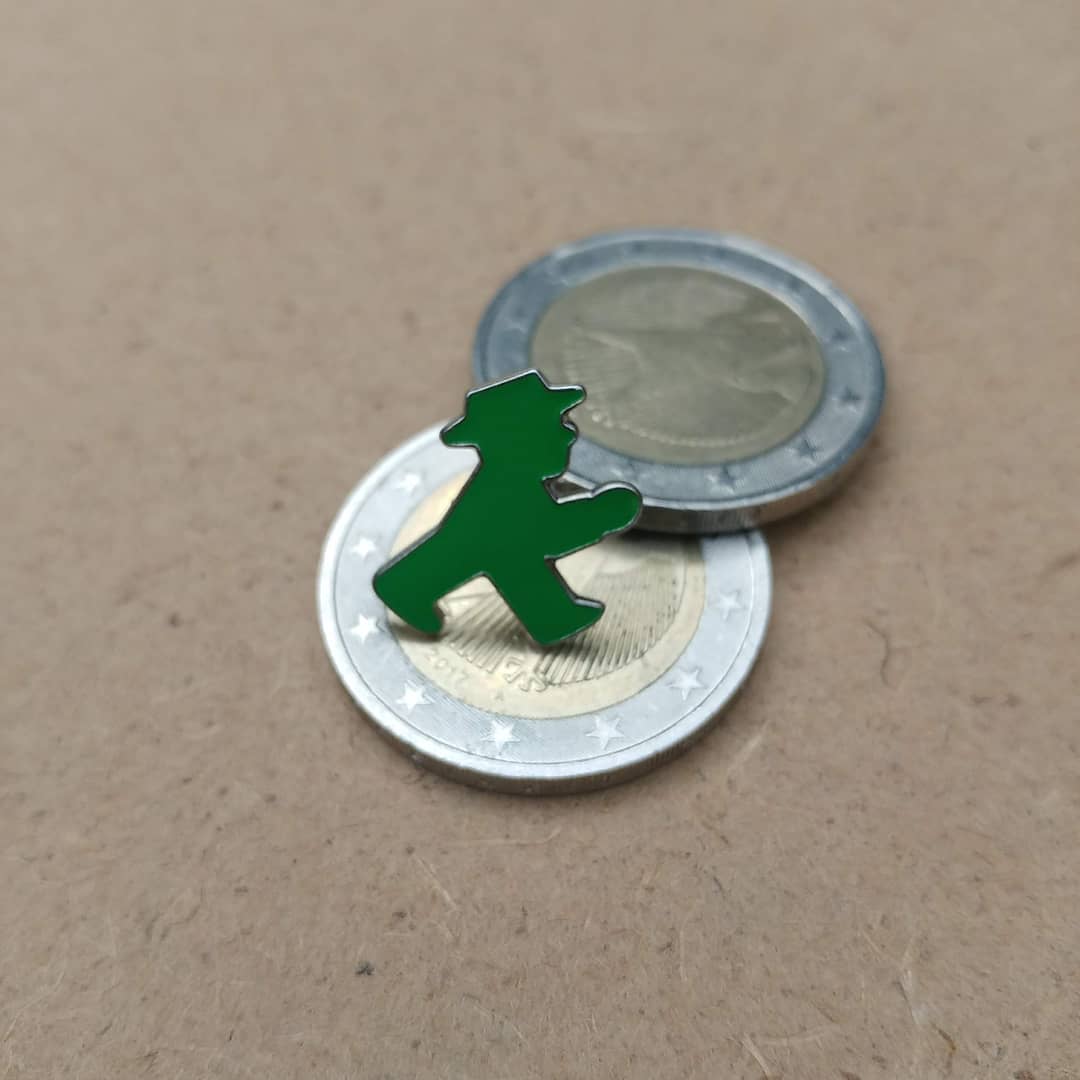
#5 AMPELMANN
Ampelmann is the “green man” who was used at pedestrian crossings in Communist East Berlin. Nowadays, he’s a powerful piece of “ostalgie” (‘east-nostalgia’ – Soviet kitsch, basically) and has been marketed within an inch of his little green life – this badge was purchased at an entire Ampelmann-themed shop on Unter den Linden when I visited Berlin in 2014. More on that here.
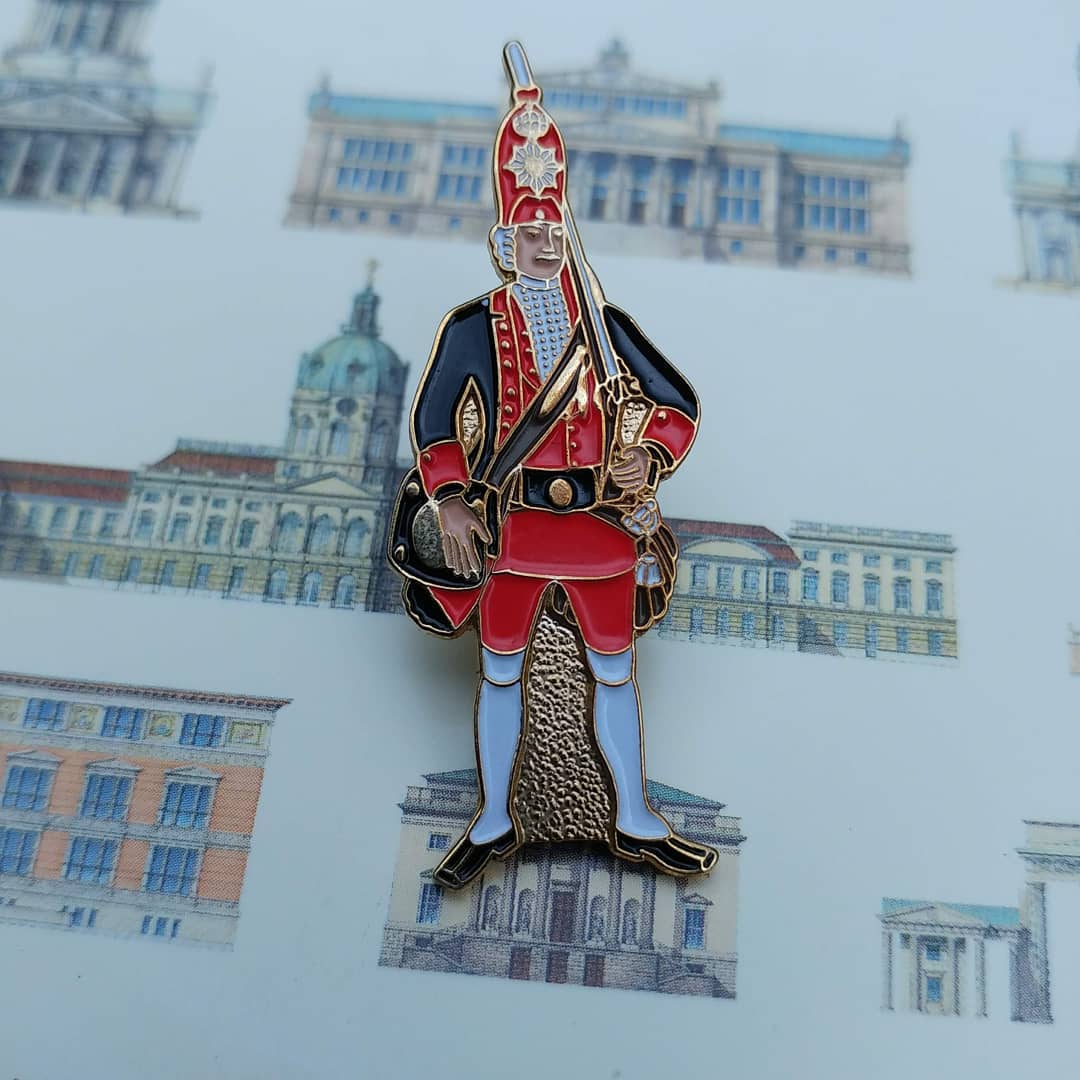
GIFT: LANGER KERL
“The most beautiful girl or woman in the world would be a matter of indifference to me, but tall soldiers—they are my weakness.” This stern looking fella is one of the “Potsdam Giants”, Frederick William of Prussia’s absurd collection of larger-than-life-size soldiers. A gift from my friend Bill.
You can read more about the Lange Kerle (Long Lads), and see the painting this badge was based on, here: https://en.wikipedia.org/wiki/Potsdam_Giants
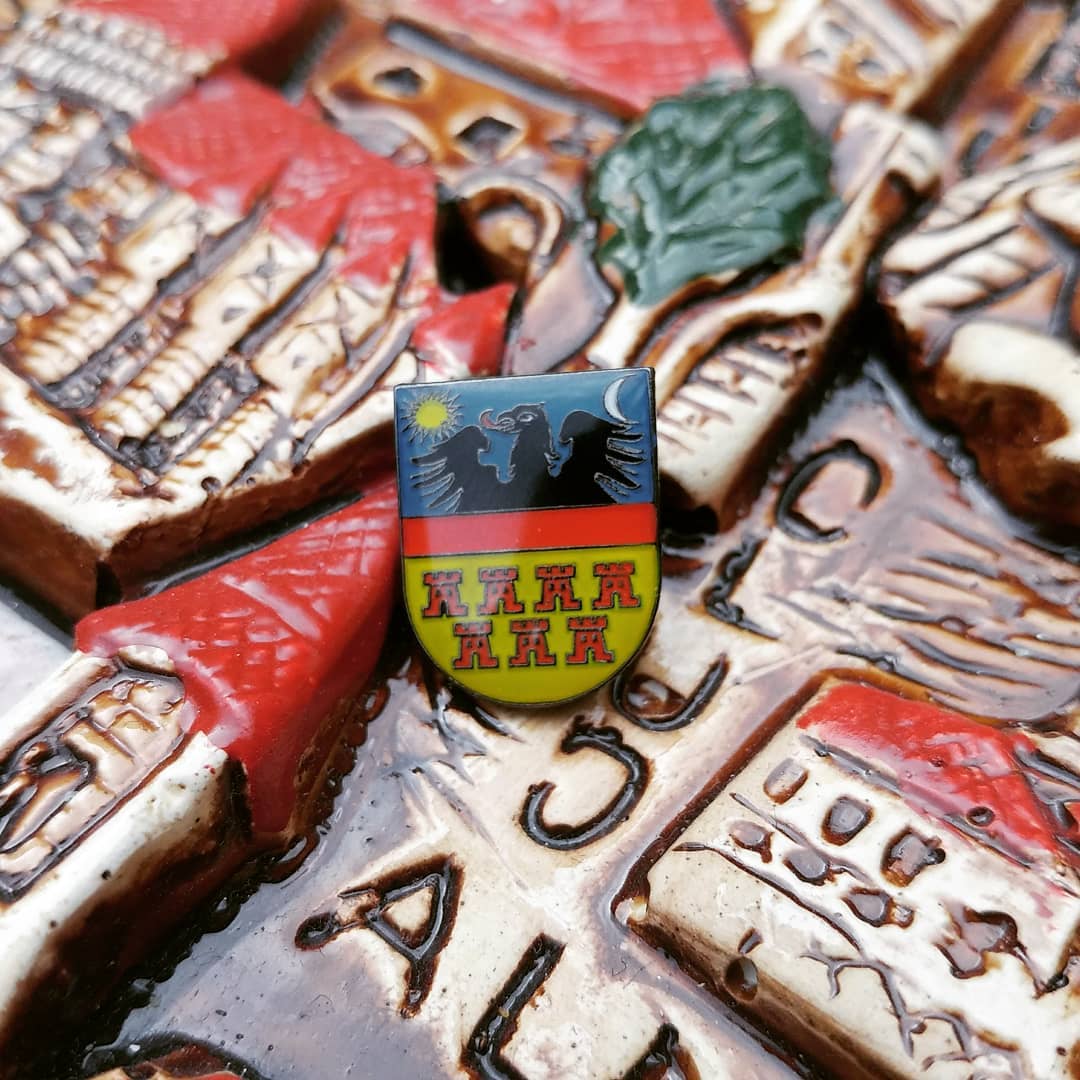
#6 TRANSYLVANIA
The crest of Transylvania – “the land beyond the forest” – has a black eagle between the Székely sun and moon, with seven red towers representing the seven cities of the region. The background is a wall hanging that Ionut and Adi, my fellow travellers on my Transylvanian road trip, gave me as a souvenir.
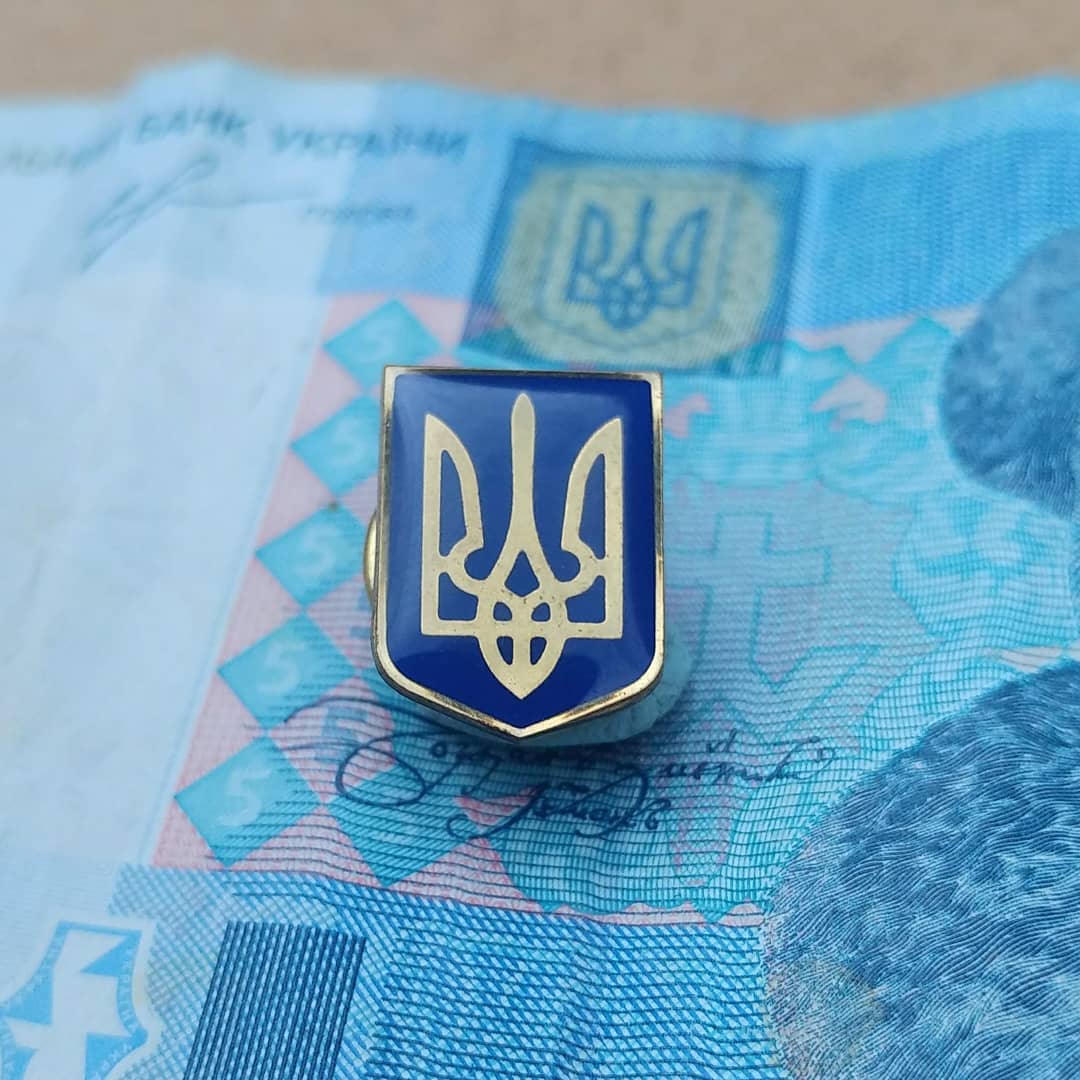
#7 TRYZUB
The official coat of arms of Ukraine (you can also see it on the hryvnia note in the background) is this gorgeous stylised Trident of Volodymyr. It’s an ancient symbol that goes back at least as far as the 10th century, although there is much debate as to what it actually depicts.
I bought this in Kyiv near the exquisitely strange St Andrew’s Church, as part of my trip to Chernobyl in 2016.
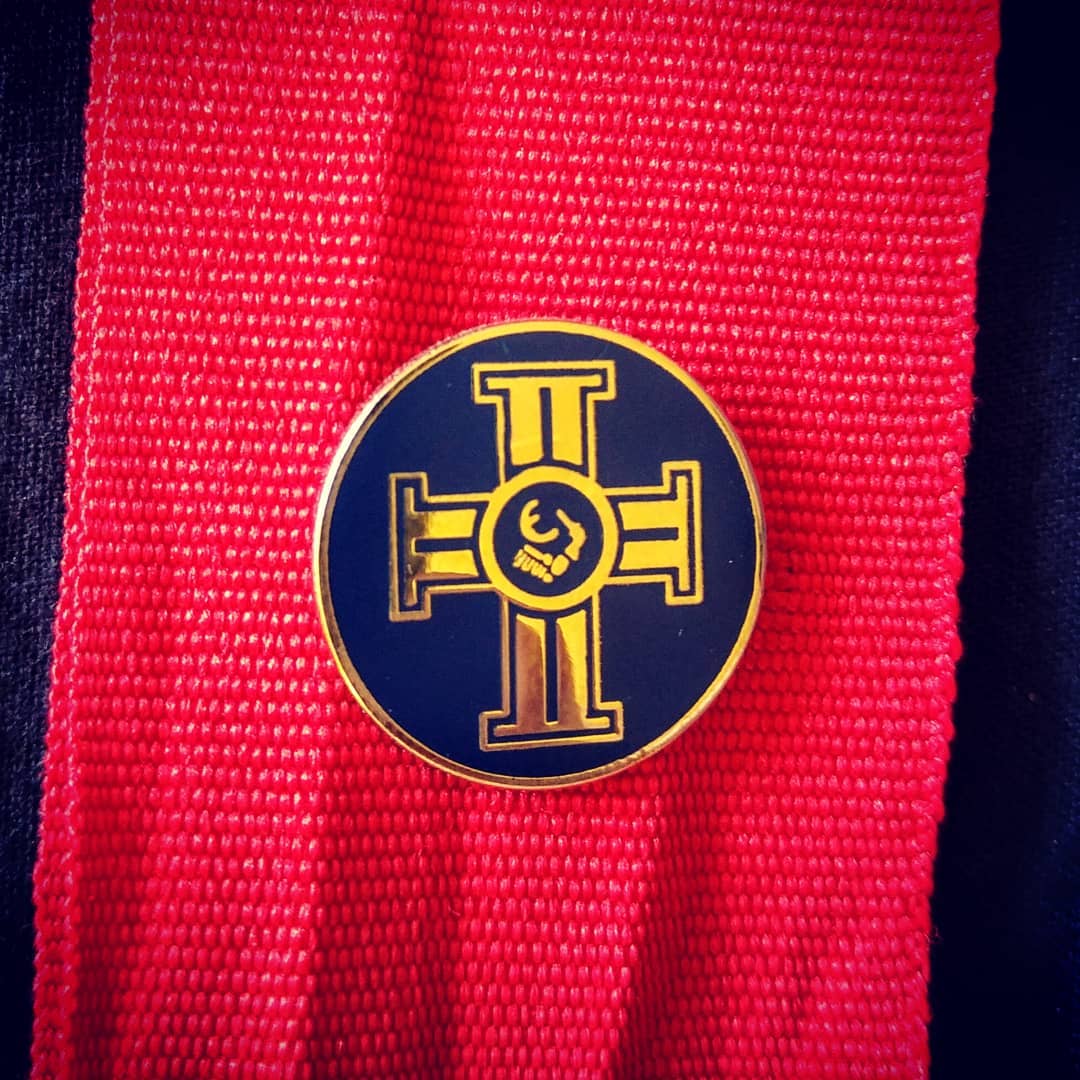
#8 VABADUSRIST
The only alternative to all the extremely kitschy Estonian-flag-plus-your-national-flag badges in the tat shops of Tallinn was this. It’s based on the “Vabadusrist”, or Cross of Liberty, a medal commemorating the *first* Estonian independence day from Russia in 1919. There’s a huge glass memorial cross based on it in Tallinn’s Freedom Square. https://en.wikipedia.org/wiki/Cross_of_Liberty_(Estonia)

#9 LENINGRAD
Another Soviet-era badge. I bought this in St Petersburg, but those who read Cyrillic will notice that it has the city’s USSR-era name, Leningrad. This badge shows the golden spire on the Admiralty building, one of the most famous and distinctive points of the Petersburg skyline. The background is a fridge magnet from my lovely hosts, Misha and Olga.
It’s not clear from the picture, but this badge is absolutely tiny – little more than a centimetre wide. I’m very impressed with the detail.
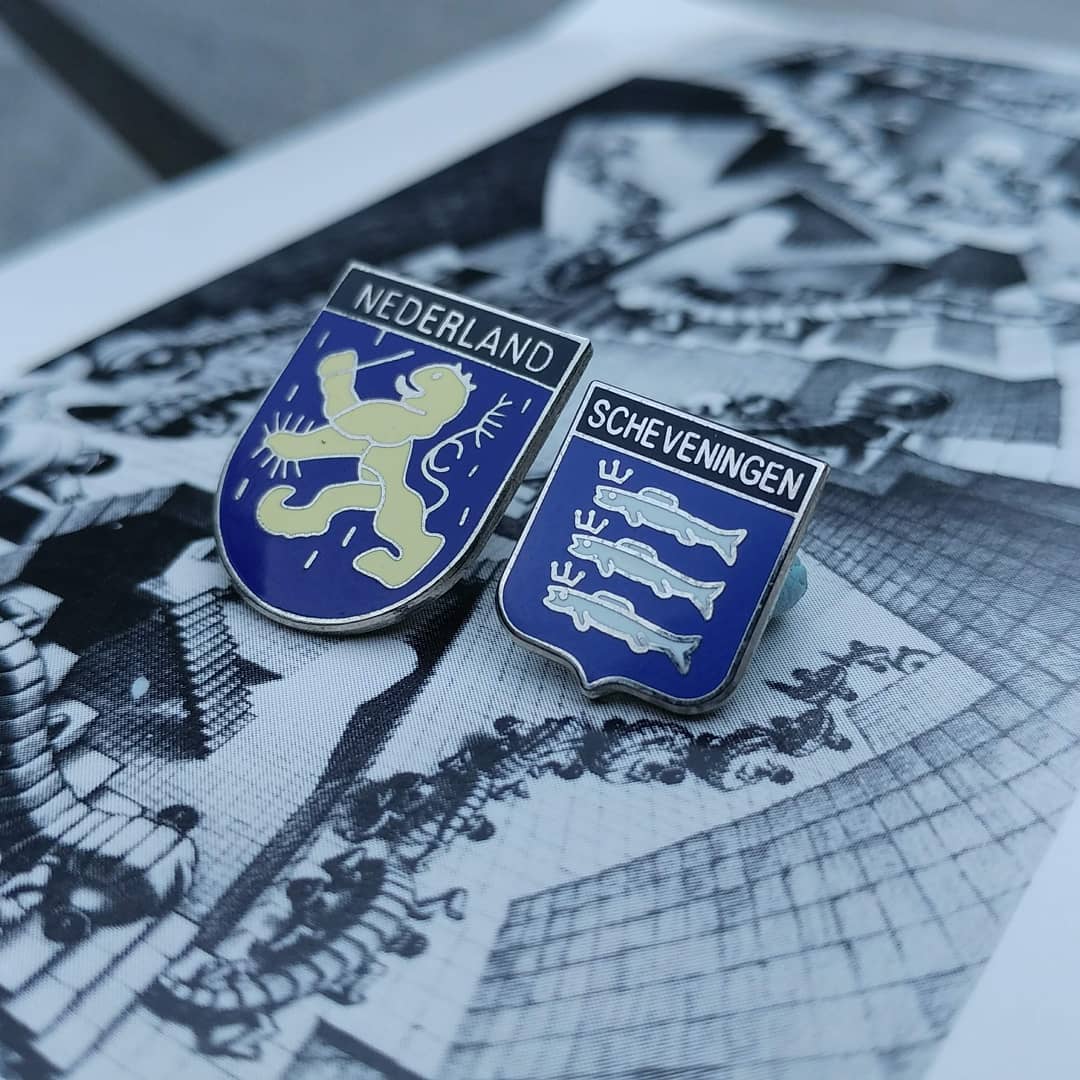
#10, #13 – AMSTERDAM/DEN HAAG
These are souvenirs of two separate trips to the Netherlands – the first from Amsterdam, the second The Hague. Scheveningen is the beachfront district of The Hague, featuring three herring with golden crowns. Why crowns? I have no idea.
The background is a postcard of Escher’s “House of Stairs”, from the Escher museum in The Hague.
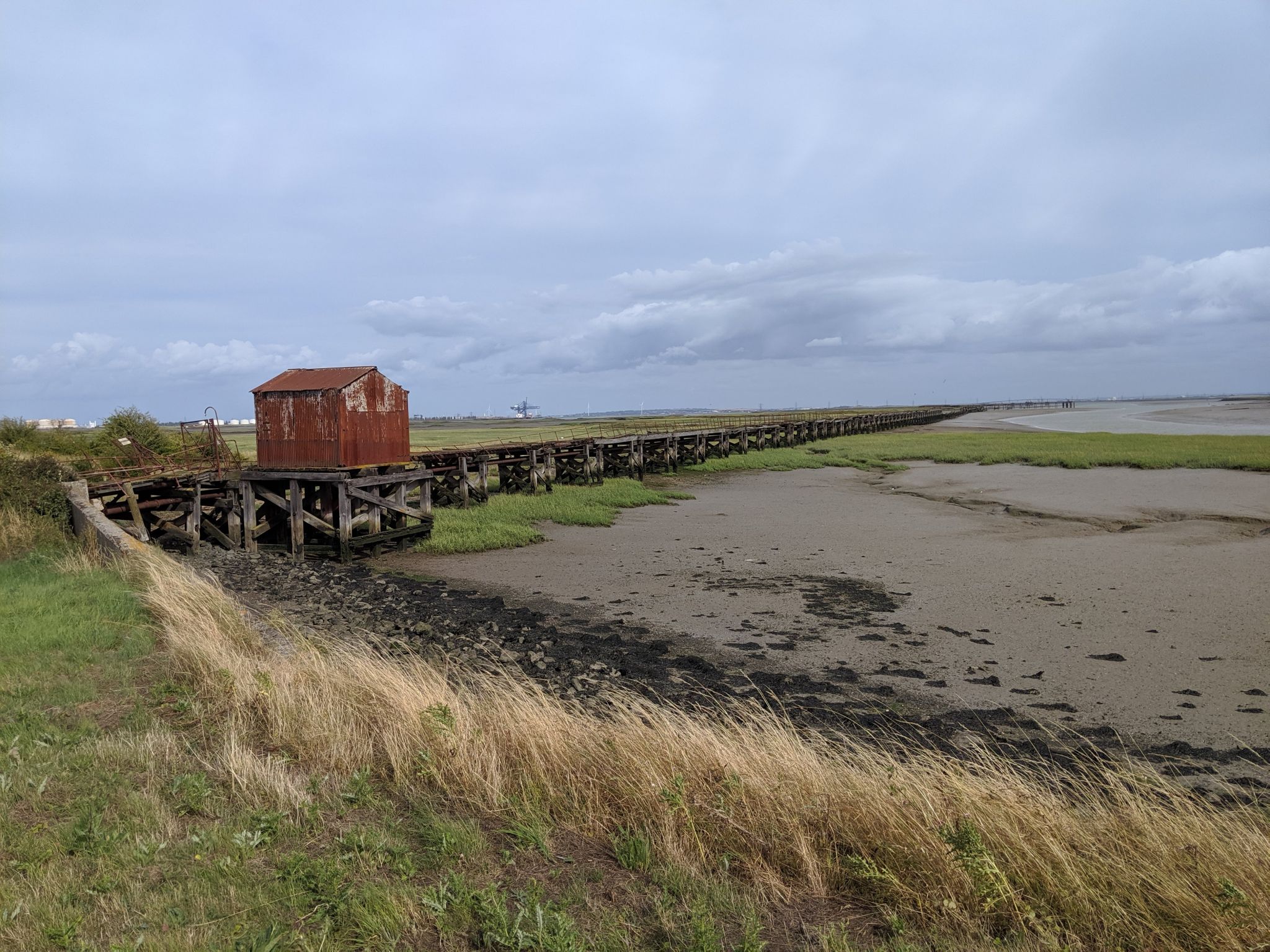 We fortified ourselves with sweets and Irn Bru and set out north and east to Hoo: a low-lying tongue of land between the Thames and the Medway, fringed by tidal marsh. It’s a weird, windswept, empty landscape – there are very few trees, so only low scrubby bushes obscure the cyclopean structures that loom on the horizon, made more intimidatingly huge by their distance: a rank of cranes, a clutch of gigantic storage tanks, a petrogas* power station, an Amazon fulfillment centre. A place of low land and low land values, populated by big, cheap things which London needs but doesn’t need to see. We parked the car on a stub of unfinished roundabout and found the Bee Ness jetty.


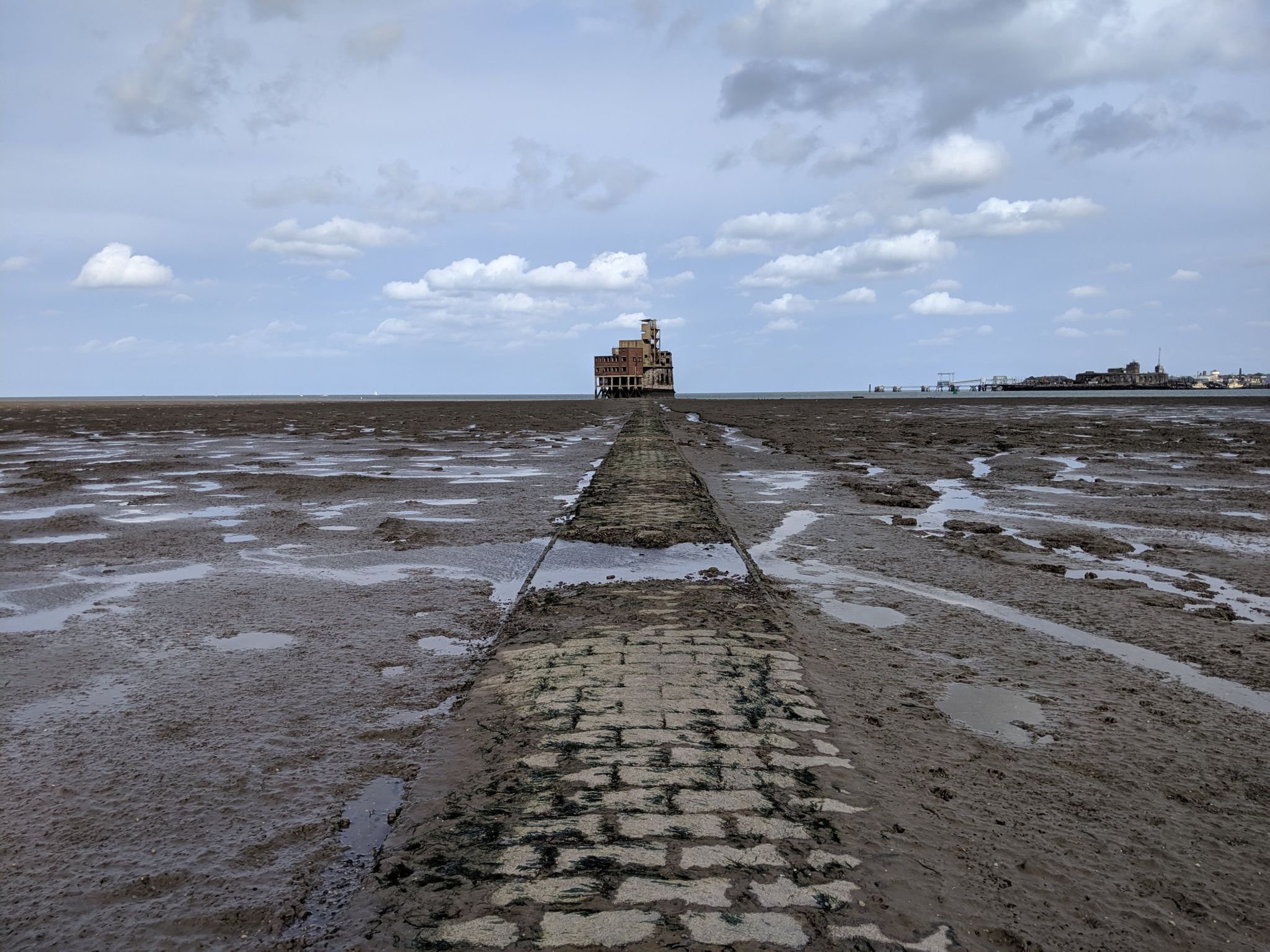 We continued east to the coast and the village of Grain. Grain Tower, like a pocket-sized knockoff of Mont St Michel, is reached by a causeway across a tidal mud flat: the causeway is made of wide, rough-grained bricks secured into their mortar by diamond-shaped undersides, except where it isn’t and is just mud. The Tower itself is a small but solid example of the “Palmerston forts”, whose frowning granite gunports and cast-iron shutters are scattered all over the Channel coast. Like many of its siblings, it has some extensions slapped together in a hurry during the World Wars; a brick barracks on stilts and rickety-looking concrete observation post leave the tower looking like it’s wearing a backpack and a stupid hat. There’s no ground-level access (it would be sea-level at high tide), but some kind soul had secured an aluminium ladder with a loop of plastic rope, next to an enormous barnacled chain wrapped around the tower’s base, which was once a boom chain running to the Garrison Point fort at Sheerness, cutting off the mouth of the Medway.


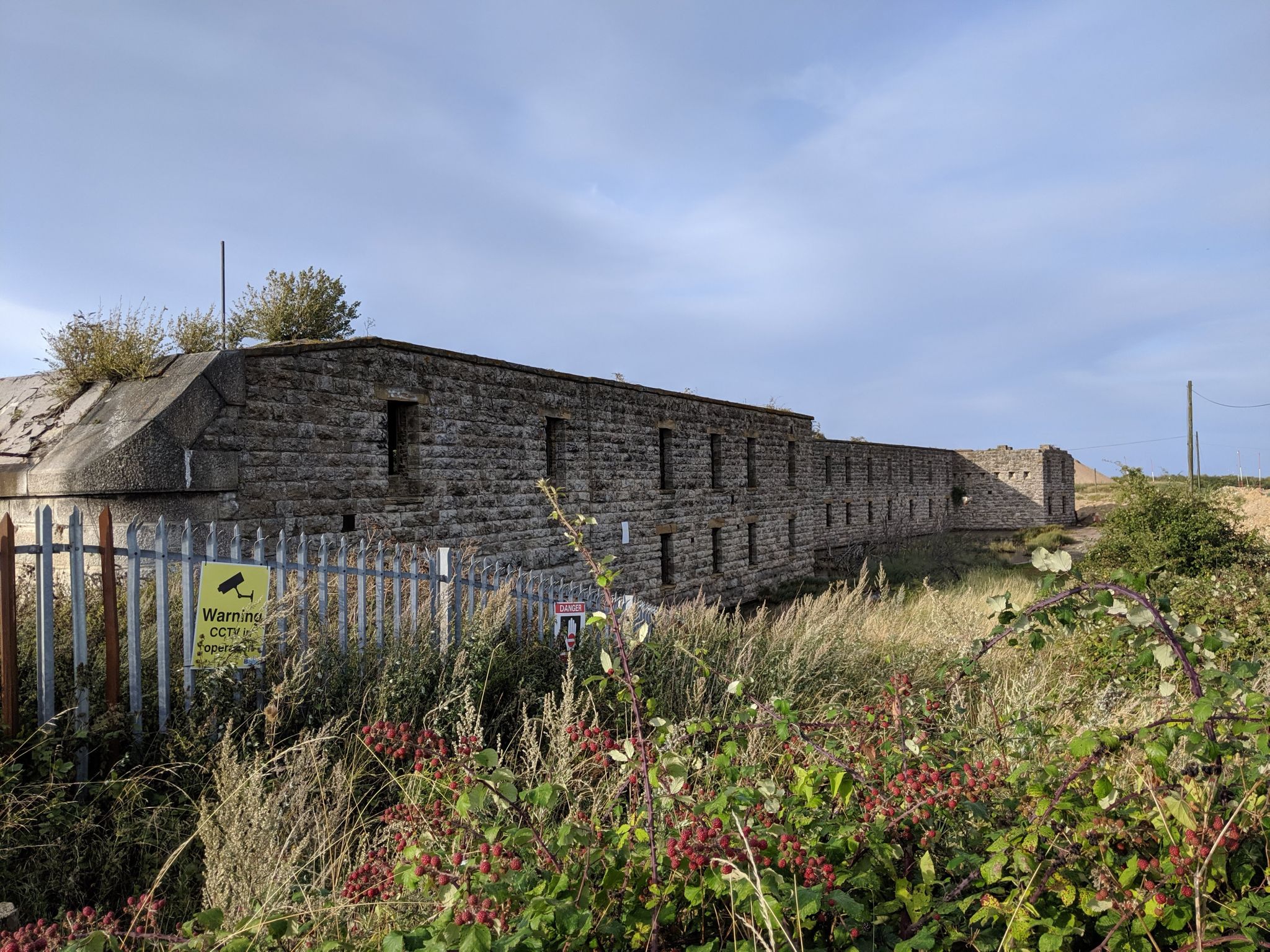 The fort is fenced off and meant to be inaccessible. In the matter of Victorian gun forts that normally means “challenge accepted” to me, but we were quite tired from a full day of Exploring, and the barking dog of a quarry security contractor who shouted at us to stick to the path in broken English and the half-sunken fort looked genuinely difficult. Fortunately, there were some very interesting accessible curios: the wooden guts of a derelict ship and the launch rail of a Brennan torpedo, a curious Victorian guided weapon powered, counter-intuitively, by pulling two wires out of its rear end at high speed.


 underneath the open sky