Lessons Learned Post #1: Running the Kickstarter
Reflecting on my successful first pin badge kickstarter with artist Rob Turpin. The results are on sale at my Etsy shop here.
Lesson 1: Preparation!
Before launching, I’d done some prep work drafting update posts and working up timescales, budgets and plans, but I hadn’t actually got every single post 100% ready by the time I pushed the button. A lot more could have been effectively prepared before starting, especially graphics, but I was in a hurry to start and made things up a bit as I went along. My original plan had been to do polls on second designs and extra colourways after the kickstarter finished, which I quickly realised was ridiculous as extra colourways were going to be the main draw for anyone buying more than one airship. The kickstarter immediately smashing all early goals meant I needed lots of extra colourways pronto and didn’t feel ready. The rush also meant I had to bother Rob for artwork at quite short notice (or cook up my own in Paint with very limited graphic design skills).
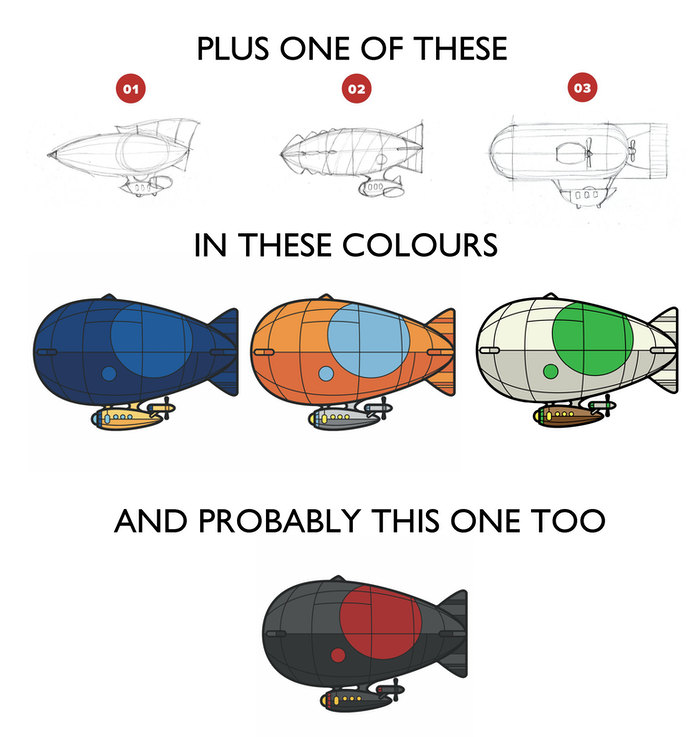
So next time I will: plan a schedule of posts, polls &c out carefully in advance, and make sure all necessary graphics and such are ready for all of them before I pull the trigger. Especially because…
Lesson 2: Money comes in much faster at the beginning and the end.
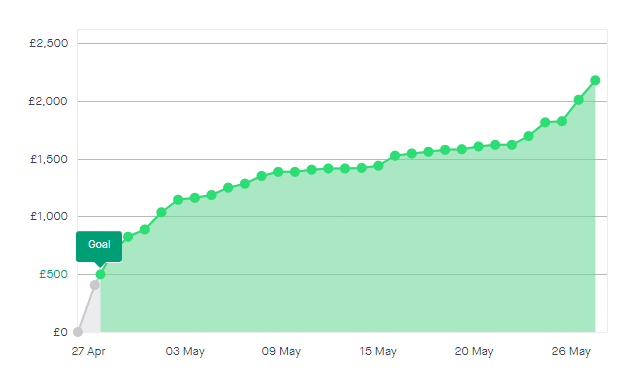
I’d seen this before on other kickstarters so it didn’t come completely by surprise, but the “first week/last hour” thing is very real. I was mainly overwhelmed because the kickstarter did much better than I was expecting in the first week – not a bad problem to have! It then went pretty flat for the middle of the month. There was a genuine uncertainty a couple of days before finish about whether we’d reach the final stretch goal, but in the end it was smashed by nearly £200.
So next time I will: Do basically the same, but focus my publicity to push things at the very beginning and end, and consider this when planning stretch goals.
Lesson 3: Everybody Loves Democracy
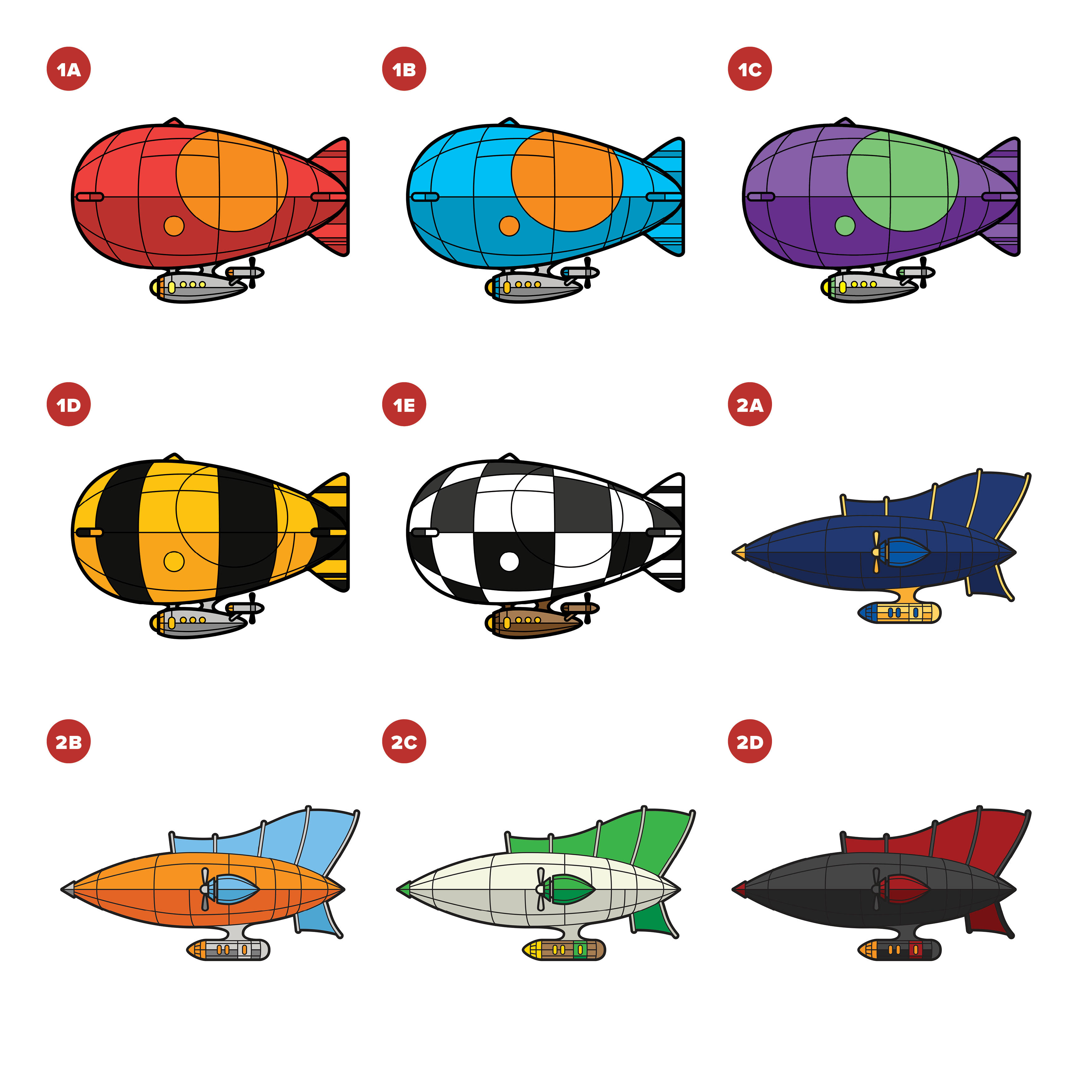
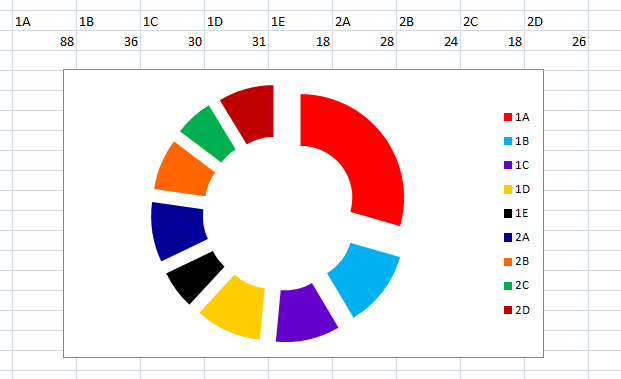
There were LOADS of potential colourways for the airship (with my manufacturers, adding extra colours requires a minimum order but doesn’t add cost) which I had to narrow down so as not to get Silly. Running Doodle polls was a really easy way of doing this, and also a sort of free form of market research – the orange and blue combinations (which I don’t personally much like and wouldn’t have made on my own) proved extremely popular, so they ended up getting made.
Knowing the rough proportions of interest in each pin also meant I could prepare my order to my manufacturer before sending out the post-kickstarter survey to backers, saving everyone a week.
So next time I will: Do basically the same thing (if offering varieties of a design – if I know exactly what I want to produce running polls is a lot of time and effort.)
Lesson 4: Stretch Goals
The kickstarter broadly went quite well, but the initial few stretch goals were so close on the heels of the first deadline and so close to each other I was announcing them all being smashed almost immediately, making them meaningless. (They weren’t particularly ambitious or expensive goals to fulfil, but still.) I had to improvise a bunch – I was only originally planning on doing four or five colourways total rather than the nine I ended up with. The later ones were decently spaced out, but I think Design #2 was also reached too early as the minimum manufacturing cost wiped out any potential profit from the first £1500.
So next time I will: Spread out stretch goals further, bearing in mind lesson 2, and look at them with an eye for the budget. Stretch goals relate quite closely to…
Lesson 5: Budgeting and Profit
I’ve seen people recommend running pin kickstarters on the above “third” basis (ie 1/3 for minimum manufacturing costs to meet pledge, 1/3 for overheads – shipping and kickstarter fees – and 1/3 for profit/margin of error). The overheads and minimum worked out roughly right. However, unlike most pin kickstarters I was also paying Rob fees, and really should have put the initial target up to reflect that – the budget was initially very tight. I ended up making no profit at all off the KS because I put all the profits into further pin manufacture to sell in the long run, but that was a deliberate choice rather than being forced on me – if I’d just made enough to cover orders there would have been a moderate profit, though less than 1/3.
So next time I will: Ensure goals which front-load profit a bit more and factor in in artist costs from the very beginning. As well as changing the goals, this could have been affected by better handling the…
Lesson 6: Pricing and Tiers
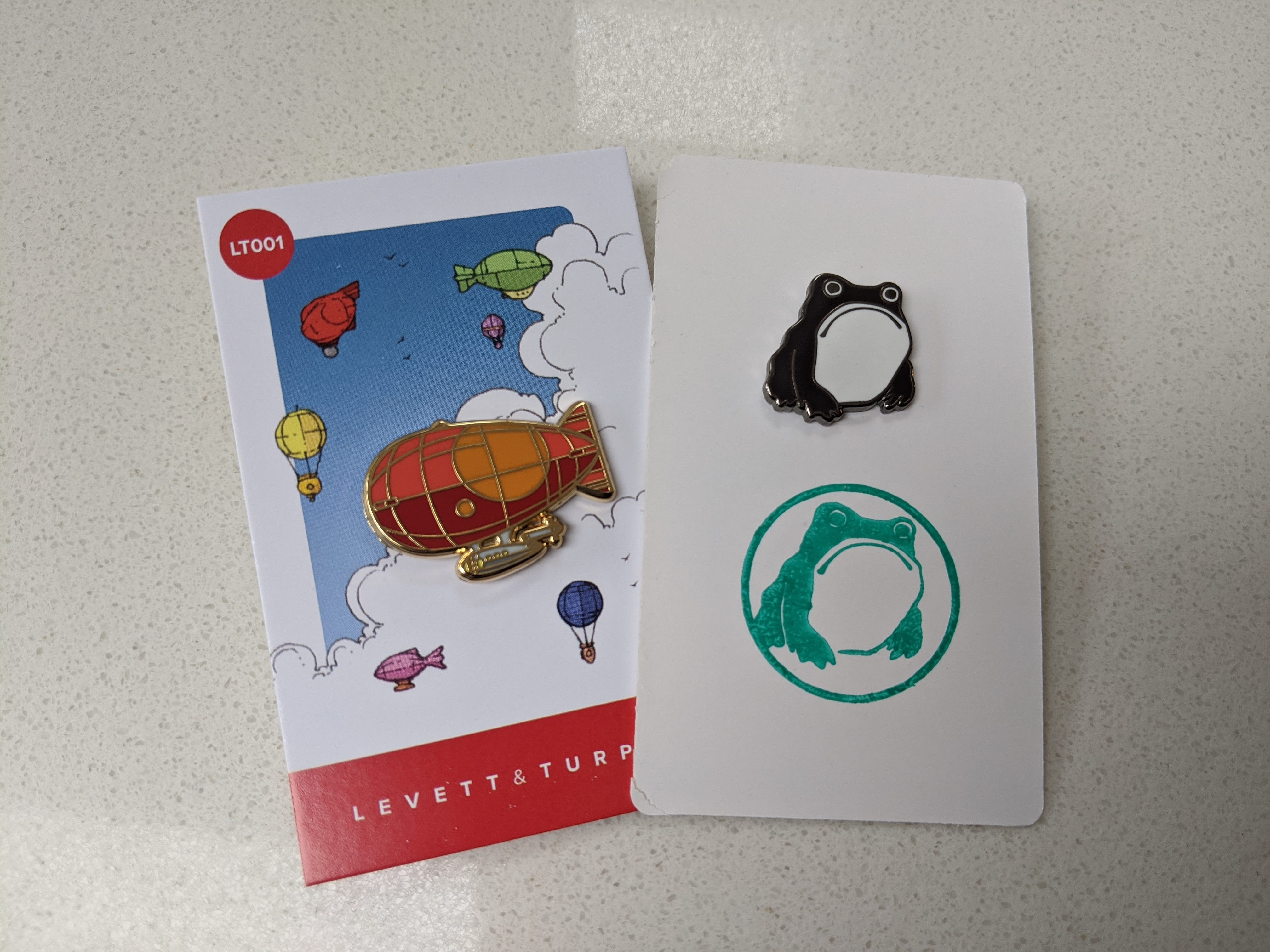
I wanted the pin to be cheap for backers, but given the budget I think I went too far and underpriced it for what it ended up being (particularly as it ended up costing a bit more to manufacture than expected). This wasn’t helped by a slightly silly pricing structure I came up with, where it was functionally £5 per pin at all tiers unless you bought one for £6 or early bird three for £14. Early bird tiers could have been distinguished a bit more – and I’ve seen postcards and stickers as nice extras which would be worth doing in future. The “airship+frog” tier sold out extremely quickly, to my surprise – having the option to buy another design is something that I’ll definitely bear in mind in future.
So next time I will: Either improve or do away with the idea of an early bird tier; have a slightly more profitable starting price and standardise it at all tiers except for quite large orders. (There are other good reasons for this – which I’ll discuss in the next post, about FULFILLING ORDERS.)


 underneath the open sky