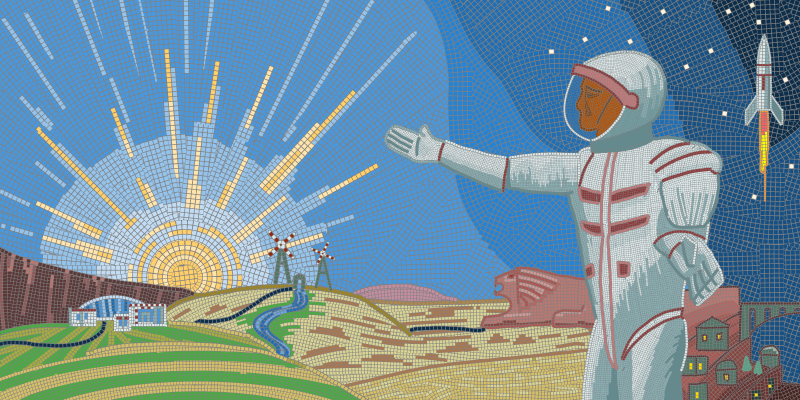
I finally managed to get a commission slot with the excellent Ben Fleuter (whose webcomic The Sword Interval I reviewed here.) The results:
Category: Uncategorised

but here I dreamt I was an architect
I have been rather more constructively engaged over the summer than might have been imagined.*
generalissimo peanut


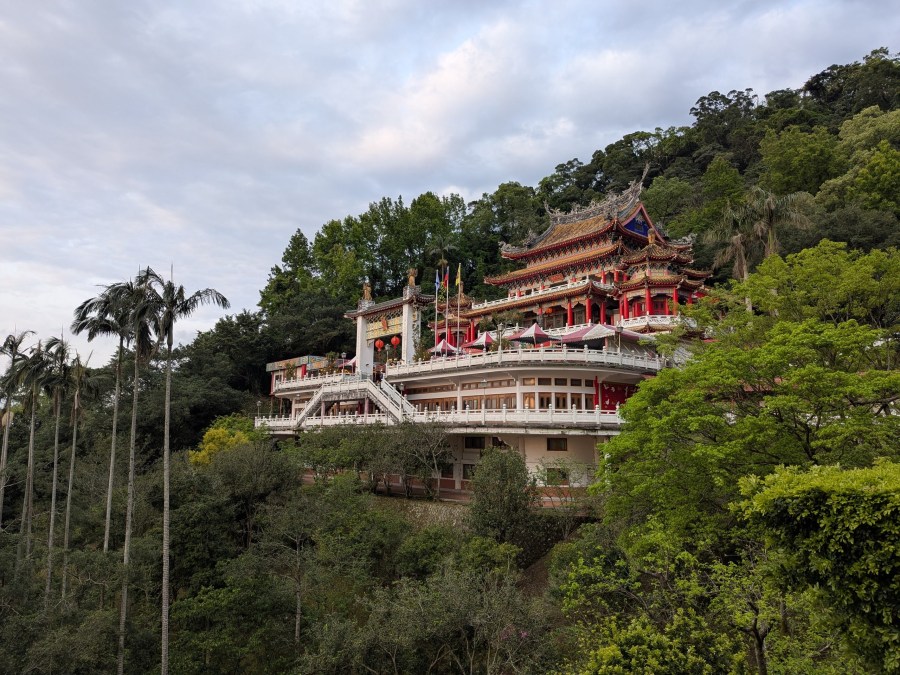
Breakfast on the fifth day was at a “Western” breakfast burger place called Laya Burger. Not quite believing it, I ordered the promotional KitKat burger which turned out to be a nice spicy chicken burger with crushed molten kitkat on it. I’m not sure what I expected. Next up was a personal indulgence, a railway museum built in the lovely Japanese-occupation-era Railway Ministry building, which combined good production values, strong English translations and lots of little models with the highly specialised love of train obsessives everywhere (although it didn’t have any actual trains). It also clearly had a bit more space than it knew what to do with, leading to a couple of quite random exhibits, but was a charming warmup to the Chiang Kai-Shek Memorial Hall.
OUBLIETTE: Reflections on Year One
In late 2022, lacking a creative project, I decided to go back to the vague story ideas I’d thought up out back in the outback about a failing offworld colony, full of post-Soviet decay and post-truth Internet. Winter ’22 and then 2023 were spent first trying to co-produce it with an artist pal and then, when that didn’t work out, trying to teach myself digital art, with the self-imposed challenge that if I got to the end of the year and felt like I’d progressed adequately, I’d try to do the comic myself in earnest in 2024.
So 2024 was spent giving the whole comic a Proper Go, again with a sense that I’d review again at the end of the year if I was actually having fun with it. It has been, and will continue to be, a serious learning curve; here are some of the main lessons I’ve learned by doing.
Making a webcomic isn’t one skill, it’s a bunch of different skills flying in close formation.
Obvious really, but a shocking amount of effort when you’re actually learning them all from scratch; you realise why the credits for most successful pre-internet comics had one person doing pencils, one inks, one letters, one colours… Writing is a skill; art is a skill (and drawing expressive people is a totally different skill to drawing plausible mechanisms or cityscapes); visualising a scene and segmenting it into panel layouts is a skill; inventing and applying colour palettes is a skill. All of these I’m essentially teaching myself from a baseline of zero (except writing fiction, from a baseline of ‘I worked hard at this ten years ago’).
Added to all this, webdesign and website management are another skill (of which more anon) and trying to get anyone’s attention about The Thing I Made in the hideous algorithmic nowhere-land of 2020s internet yet another, which I mostly can’t be bothered with. Learning is fun, but it’s A Lot, especially when this is a hobby for fun and the minute it stops being fun I don’t have a reason to do it.
Accordingly, workflow matters a lot
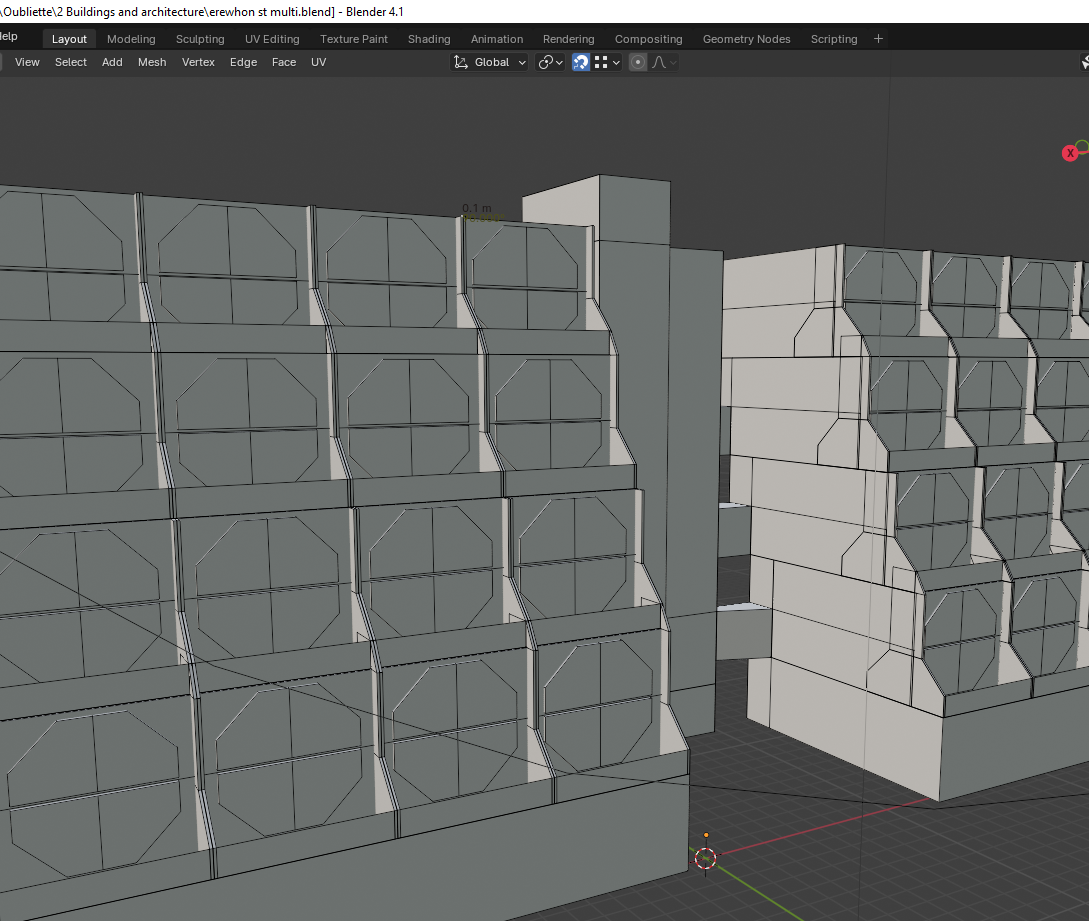
I have found it quite difficult to mentally jump from one skill to another, and have found it easier to apply each skill to ‘batches’ of pages than to apply each process to a page in sequence. I try to script out an entire chapter at once (though changes invariably come later), and then draw it in blocks of c.4-5 pages, first with rough sketches and panel layouts, then working out props (including 3d models to help with perspective, and 2d patterns that can be distorted into backgrounds), then lineart, then colours, then shading, then speech bubbles etc, to a block at a time.
I have adjusted the ‘stages’ of design (this is what I’ve been using in the last few months) and while I still don’t have this nailed, I think an update schedule and drawing approach based around batches of a month’s worth of pages is currently feeling easier and more time-efficient.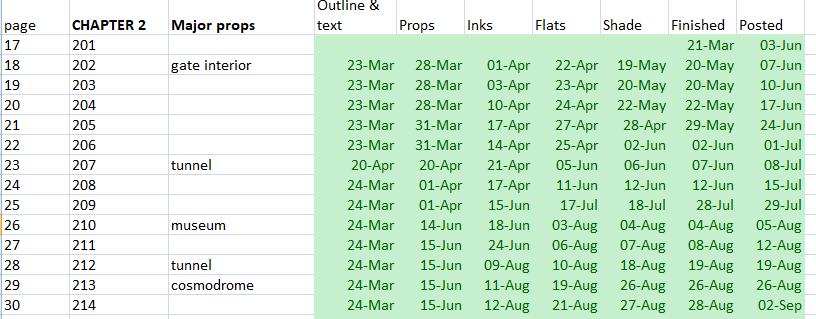
Practice (and process) makes my art both better and faster, but there’s always something new to learn

This project was partly a learn-by-doing approach to teaching myself digital art, and I’m getting there. My art is still very much Not Good but is visibly improving as I discover shortcuts and become more practised and comfortable. These improvements make my drawings look better but also make it quicker to churn them out. I have found a relatively consistent way of drawing faces (which were definitely my weakest point and I hope are now merely weak), and various tools and technical techniques to make things go faster (without, hopefully, being quite as obvious about it as all the low-end high school romance webtoons out there assembled from the same prefabricated Clip Studio assets.)
However, as soon as I get comfortable with one thing I discover I want to get better at the next (I’m still rubbish at clothing, for instance). It might be one day I’ll reach a level of ‘fundamentals’ such that, rather than going through complex processes, I can just pick up a stylus and bash out what I want to. But that feels a long way off.
The temptation to go back and fix things is strong
A lot of the story was formed before I started drawing it but a lot more of it has emerged over time. As I get better and more comfortable with all this, I’m realising I have accidentally boxed myself in, or missed opportunities, in early pages, and now have concepts and parts early on that I want to change. I also note little infelicities in writing and art that are worth fixing.
I’m conflicted about what to do here. Chats on various sites (Spiderforest discord, mainly) have been helpful with the sense of a webcomic as an early draft. Kill Six Billion Demons reset itself fairly early on to make a bunch of Early Episode Weirdness line up with the massive plot that Abaddon later delivered. I am tempted to make tweaks – but I am also worried that way leads endless tweaking and no forward progress. Hum. Better to resist for now.

The net is awash in art tips – lessons on specific things are what work for me
There are an infinity of drawing guides on the internet and I have found almost none of them helpful. The same search term will get you Fine Arts degree stuff and dudes who just want to get a perfect lensflare on yet another sameface anime girl in an incredibly beautifully over-rendered background. There are also generalist “teach yourself from scratch” sites which I also find unhelpful – I tried drawabox on “fundamentals” and stopped after drawing a bunch of boxes because I don’t care about drawing boxes and the exercises were doing absolutely nothing for me. I can only really learn by doing and I can only consistently make myself care about doing the thing if there is something specific I’m trying to do – that’s been the whole point of the comic.
Where I have found a particular thing sticking is when I have a specific object or concept I’m trying to draw and there’s a guide to help with that. The Etherington Brothers’ guides are great on individual things (although in the most unhelpfully diffuse format possible – please for goodness’ sake sell me an ebook, I’m not buying a massive stack of £25 hardbacks); individual Clip Studio tuts are also often good, although also often obviously targeted at people who aren’t me.
Website management hasn’t really got any easier
I wonder if one of the lesser reasons for the decay of the internet into its total capture (front end, back end and finances) by a handful of hideous megacorps – social media being the big one – is that it feels like far more of a headache to do your own website than it was a decade or two ago. I learned my WordPress skills for uni websites circa 2010, since which I’ve forgotten most of them, and while the backend of that hasn’t really changed at all (this horrible Gutenberg thing aside), finding hosting and making it work is the same amount of a faff as then and setting up SSL certificates even more of one. Generic ready-made site builders like Wix are crap and the bespoke webcomic plugins for WordPress exist but need a few technical skills to make work; Toocheke was a struggle for me; Comicpress is great and well-documented but hasn’t been supported in yonks so one day (The great Erin Ptah has had a better time with Toocheke with than me, here are her reflections). CSS and WP theme design is yet another skill and one I now have essentially no interest in learning again except to get a viable website.
I’ve only glanced, and might glance again, at Tapas/Webtoon, but last time I did they seem to be forcing a vertical scroll format, have rather worrying TOS, and absolutely awash with indistinguishable romance manga slop. Which might be where the readership is but I don’t care enough about the numbers to make that compromise. A much more appealing and more old-internet solution seems to be the site Comicfury which does most of the hard work for you. If there’s a next time I would probably use that, like my pal Crow-Caller.
Momentum is essential, but so is time off

From the beginning I’ve tried to do something with OUBLIETTE every single day, on the basis that keeping good habits and keeping the comic in my head are positive and self-reinforcing. I think this was a good approach with two main problems. One, when I fell off the wagon (usually due to a holiday or some other full-time commitment) it was really hard to get back on it. Two, it was getting exhausting and increasingly conflicting with non-comic things which also matter to me (like a job, partner and life). I found that giving myself one day off each week made it much, much easier to keep the momentum up but I haven’t found an answer to the first problem yet. I had a huge amount of personal and work commitments pile up and basically had to write off late November through to Christmas. But I’m back in the saddle!
Audience feedback: not obsessing over numbers is essential, but positive feedback is incredibly motivating
From the endless variations on “please review!” on fanfiction.net back in 2004 I have seen creative friends who associate their self-worth with online audience feedback to the point that a lack of it actually hurts them, and am determined to avoid that. It helps that I’m older and have less to prove; I don’t care about ‘number goes up’ and I don’t want a big following, that’s far too much grief in this day and age. But the sense of howling into a void can be thoroughly demotivating and the occasional comment from someone who is actually reading and appreciating things a powerful antidote to that. I have several loyal and regular commenters who really raise my spirits whenever I see something from them. And a very low point in motivation late last year coincided with a good friend – who I hadn’t even realised read the comic! – dropped me a message about one page. I think it’s safe to say without that positivity I might have given up.
See you in a year!
My next plan is to keep on this to the end of 2025, at which point – once again – I’ll consider if it is still worth the effort I’m putting into it, and I’ll also decide if it’s worth going back and fixing some early stuff. At current rate of Narrative Unfolding I can see the planned story lasting 500 pages, which if I don’t speed things up a bit is going to be ten years of my life. And, I’ll be honest, it’s a colossal amount of time and effort to produce something I still really hesitate to describe as “good” rather than “passable, but improving”.

But the time will pass anyway.
OUBLIETTE

Today I am launching my webcomic, OUBLIETTE. I’ve been thinking about this story for at least a decade and actually doing something about it since 2022, so fair to say it’s been a while coming! I’ve been vaguely wanting to do my own webcomic ever since I first stumbled across them in the old dialup days, when nobody used their real name online, most webcomic artists couldn’t draw draw and pages would take actual minutes to load.
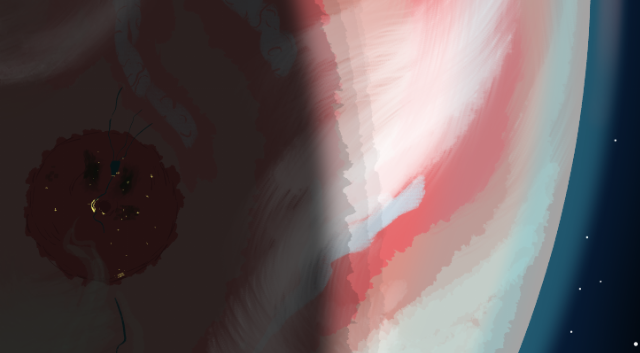
I’ve never been much cop at drawing, so when I first really got excited about the project I originally planned to pay an artist, but that sadly fell through. I had enough momentum (and scripts) to want to still make a go of it, I bought myself a cheap drawing tablet and a copy of Clip Studio Paint and tried various teach-yourself courses online for most of 2023. I am far from an accomplished (or even competent) artist (I still can’t really draw faces), but I can get the comic to look how I want it and that will do for now. The best way to improve is to practice and the best way to motivate myself to practice is to have a project.
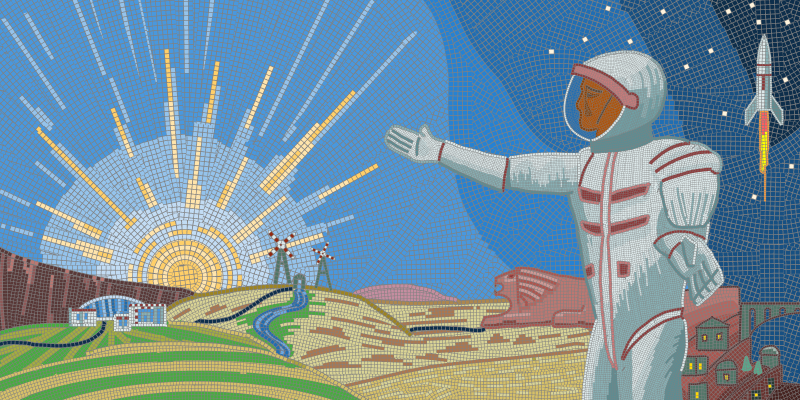
One big inspiration for the comic has been watching the Internet change; thinking about how people relate to data and truth. Another is wandering around post-socialist places like VDNKh, Pripyat and Chiatura, seeing the entropy-haunted bones of yesterday’s utopias gradually crumbling. Much is about cities and tunnels and hot wide open spaces. I hope it’s interesting enough that other people like it. I know how the story begins, and how it ends, and I have a lot of ideas for the middle that will be realised depending on how much fun I have writing and drawing. It’s probably going to be at least a five-year project, which is quite a commitment.
The first chapter is now online and free to read at https://oubliettecomic.com. The first page is here – new pages will come out every Monday. I’m also creating update sites on Tumblr and Bluesky (Twitter may take some time. I created a new account, and on logging onto it the first thing I saw was an inane tweet from Elon Musk. I don’t want that in my life, so I blocked him, and found my account immediately suspended. Draw your own conclusions.)
guided by the beauty of our weapons
Every good robot story, from R.U.R. to Priority: Rannoch by way of TNG and Terminator, asks a question along the lines of “are robots human?” The Creator answers that more or less immediately with “of course they are, idiot,” which rather leaves you wondering what the point is of the rest of it.
I really wanted to like it. Gareth Edwards did Rogue One, which is either the second best or joint best Star Wars film; the excellent Monsters, and a Godzilla film that people who like Godzilla seemed to enjoy. But there’s a sort of gorgeous pointless emptiness that makes it hard to watch without declutching your brain: like Neil Blomkamp’s Elysium, it looks great but has nothing to say.
It does admittedly look really, really great. It’s large-scale, brightly-lit science fiction in the magnificent Chris Foss/Simon Stalenhag-esque style, colossal machines painted with big blue or orange construction stripes and letters, futuristic yachts with vertical metal sails skimming the sea in front of snow-capped mountains, all realised with staggeringly high production values. There’s an evil satellite which floats hazily around like the Death Star at the end of Rogue One (maybe just a bit too much). The setting of “New Asia” – while revelling in a sort of neo-orientalist, saffron-robed checklist of clichey visual shorthand – is just really well done, humming cities of tuktuks and skyscrapers, bamboo bridges and woven reed houses running up to the bases of huge hazy megastructures. It’s the perfect backdrop to a story that doesn’t matter and a prime, agonising example of just how much craft and creativity can go into the service of something that’s, well, overall quite disappointing. Quite early on, there’s a chaotic scene where screaming people are running through a field of tall grass while tracer bullets light up the smoke around them with flickering golden light. It’s visually amazing, but it makes absolutely no sense if you’re paying attention to where all the people who might be shooting those tracers are and what they’re doing. It feels much like the background parts of an action game where if your character stands still the gunfire and screams loop endlessly and pointlessly in the background unconnected to anything. The feeling of “it looks fantastic, yeah, but does this actually make the slightest bit of sense?” is a flaw that keeps recurring.
I keep coming back to the robots thing, and that, more than the overall plot (which is just pretty standard low-effort writing-room sci-fi; the US military archetype is cartoonishly evil, the multiethnic global south resistance archetype is noble, everyone with power is incompetent and stupid, and all the thrilling third act twists can be accurately guessed about ten minutes in) feels like the weakest point. There are hardly any good examples in modern media of the inhumanity of robots, which is by far the most interesting element of them.* Robots in games are given idle animations as if they need to breathe, as if the absolute stillness of a machine isn’t far more compelling. The Creator runs full pelt away from the very idea of exploring inhumanity, and its robots (boxy faceless obviously-robotic ones, who get shot more often, and “simulants” which are just people with a clickety cylinder thing through where the back of their skull should be) are all just humans. They fall asleep in hammocks and swear when they wake up, they are wrinkled monks and little old ladies staggering up mountain paths, the lasers on their guns waver as they run, they are slow and stupid enough to be outwitted by our protagonist like so many human henchmen. They are just humans, so completely human that there is no point in making them robots. Someone drops in a mandatory line about “taking our jobs” but it’s not even slightly about the (suddenly topical in white-collar trades as well as blue-collar) automation issue. It’s not about global inequality or military adventurism. It’s not about love or fatherhood. It’s not about robots. It’s not really about anything.
* The best example I can think of is the Black Mirror episode with the horrible robot dogs, and that’s coming the other way from people overly zoomorphising the incredibly creepy Boston Dynamics machines.**
** I genuinely, sincerely, no-cap, on-god regard anyone who looks at one of those awful things and goes “aww cute” as a potential fifth columnist for Skynet. Letting machines trick us into thinking they’re alive is how we are going to be replaced and destroyed by them. I’m serious as a heart attack here.
dreamt the factory dream again
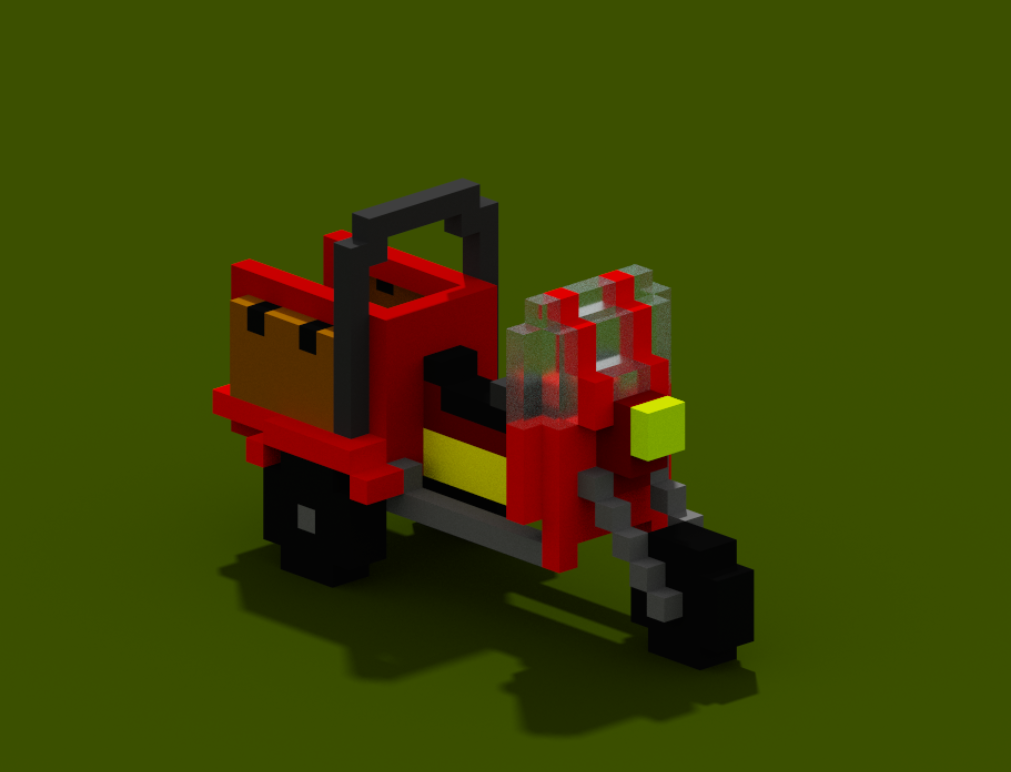
I’ve decided to kick off a long-on-the-backburner creative project in earnest this year, after spending much of last year wondering if I can teach myself to draw (leading to all sorts of private notepad-and-Clip-Studio related tomfoolery.) It turns out I have a really bad mind for the sort of abstract mental shape-rotating I need to draw vehicles and buildings freehand. But I can get decent passable results if I make myself props and work from those.

I’ve forgotten pretty much everything I learned about Blender last year, and really just needed a prop that I can wiggle into place to get the rough proportions of a 3d object. So I had a go with Magicavoxel, a very easy-to-learn free open source bit of software that lets you plonk and colour cubes, essentially Lego-style, and it was exactly what I wanted.


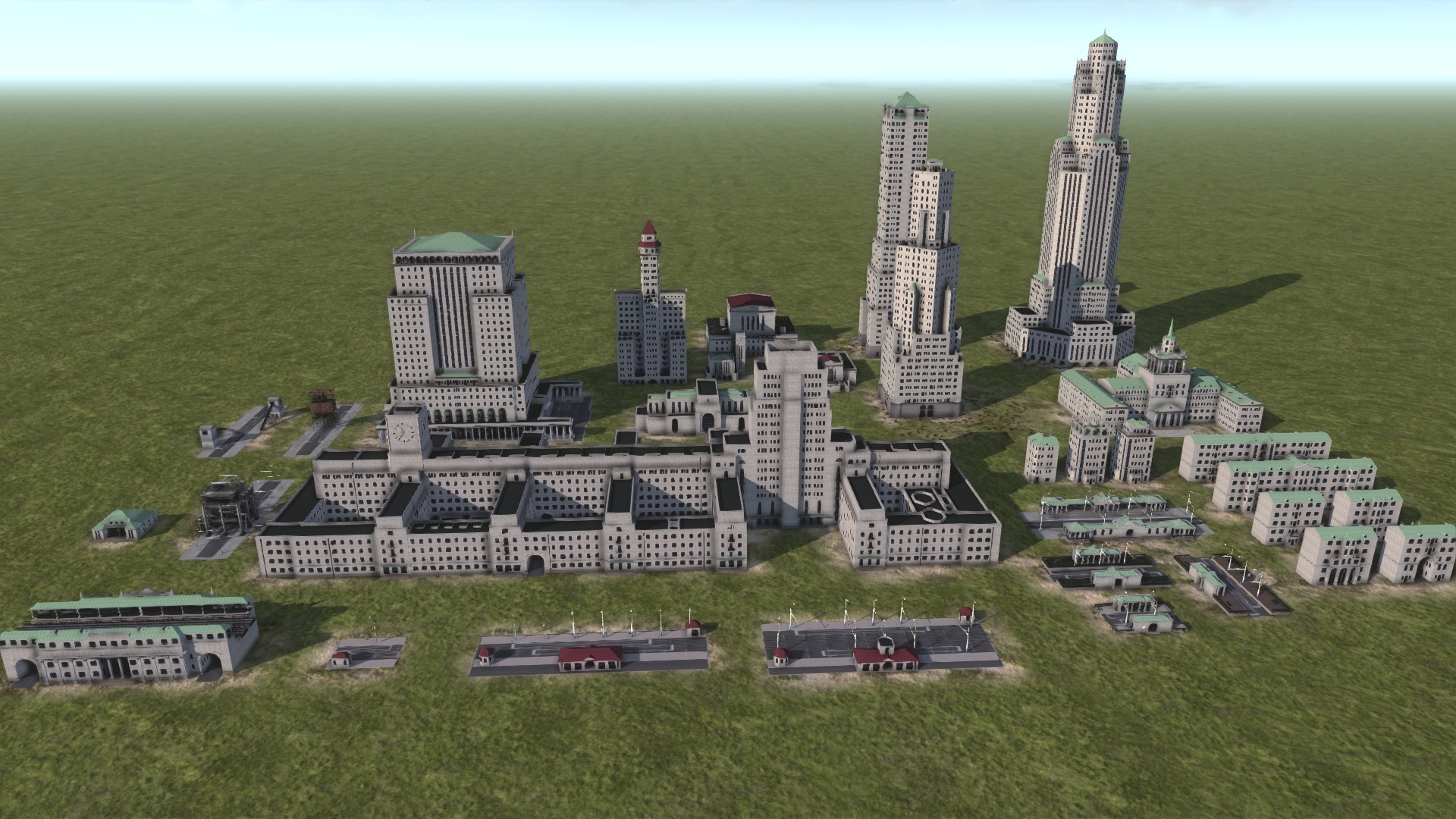
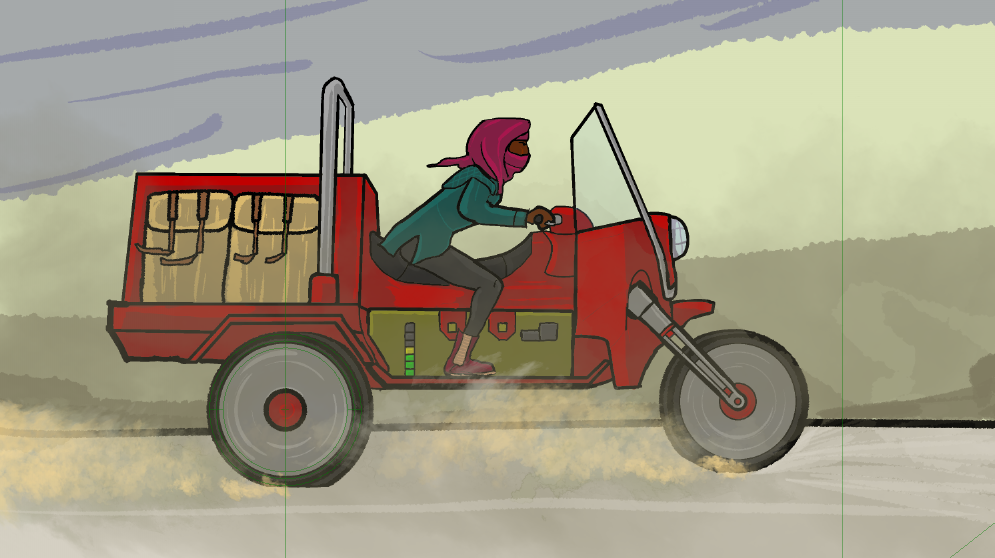
Here is the stuff I’ve created to actually use so far: a little one-person cargo trike, and a set of Imaginary Lorries (loosely based on the Alvis Stalwart).
even the air is fluff to some extent
On Fancy Cat Breeds
or, why this little man absolutely deserves to be thrown in the river but hasn’t been

Eagle-eyed followers of my silly narcissism posts will note that in the last couple of years I’ve been joined by two white fluffy creatures. Let me share my usual point by point explanation of why we have ragdoll cats (for non cat enthusiasts: a type of overengineered soft toy that screams and shits).
- My partner wanted cats.
- We live on an estate full of foxes in central London, next to a road full of buses, and all of her childhood cats met sticky and premature ends outdoors.
- Thus, we looked into indoor cats, mainly for the welfare of the cat but incidentally for the local wildlife (none of which we want killed or brought indoors as a present).
- However, while the “indoor” thing is getting much more popular, it’s not nearly as popular or widely understood in the UK yet as it is Stateside. So shelters would not let us have healthy kittens unless they had access to the outside world, and would only offer cats with various seriously debilitating health problems.
- I am sympathetic to sick cats but I’ve never lived with cats and we agreed it would be a bit challenging for a first cat to already be on death’s door.
- Considerable research went into UK cats who would be good for our circumstances. Maine coons, the largest street-legal cat in the UK were ruled out on the basis they simply wouldn’t fit in our flat, leaving us with the choice of ragdolls or British shorthairs.
- I took one look at the shorthairs and said “no, they look like merchant bankers”.

And I stand by that! Look, all cats are at some level snooty aristos, but there’s a difference of degree here. Ragdolls are the equivalent of tsarist-era princesses, so utterly out of touch and cocooned in wealth that they don’t even understand the extent of their privilege. Meanwhile, I look at a shorthair and I know it has opinions on the welfare budget and nods along to Telegraph articles about how tough it is to be a buy-to-let landlord.
And we live not far from the river, and I know enough about living with cats to accept that it is simply a longer or shorter period of waiting for them to commit some sort of heinous crime against a possession of significant financial or sentimental value. And I know that on that day, if I saw that bland, snotty, jowly face above a half-eaten baby photo album or widdled-on graphics card, I would have great difficulty not taking the little sod for a swim.
 So we got these little fellas, and named them Leopold and Ferdinand because they’re posh and inbred, and they have been three years of very nice, surprisingly affectionate, company.
The punchline? Well, recently Ferdy went and bit clean through the screen of my laptop in a thoroughly terminal way. And, full credit to both of us, was not immediately delivered to the Thames for drowning practice.
(Disclaimer because that’s the sort of place the internet is these days: if this ever gets in front of someone inclined to whip up a self-righteous hatestorm, please note that this is a joke post, I love my fluffy idiots and have no intention of ever drowning them, and also you need better hobbies.)
 underneath the open sky